For this project, I set out to address the challenge of supporting children with dyslexia within the Indian education system, with a focus on helping them build social skills and friendships.
After refining my research into the question, “How might we provide support to children with dyslexia in fostering social skills and cultivating friendships?”, I designed a classroom based activity game.
Grounded in research and structured around scientific prompts, the game encourages meaningful interactions between neurotypical and dyslexic children. Its core aim is to create a space where connections form around personality and shared experiences rather than academic performance.
For this project, I set out to address the challenge of supporting children with dyslexia within the Indian education system, with a focus on helping them build social skills and friendships.
After refining my research into the question, “How might we provide support to children with dyslexia in fostering social skills and cultivating friendships?”, I designed a classroom based activity game.
Grounded in research and structured around scientific prompts, the game encourages meaningful interactions between neurotypical and dyslexic children. Its core aim is to create a space where connections form around personality and shared experiences rather than academic performance.
Project Overview
Project Overview
very likable and attractive characters
very likable and attractive characters
very likable and attractive characters
very likable and attractive characters
Portable packaging
Portable packaging
Portable packaging
Portable packaging
Scientific prompts which solves real world dyslexic problems in a funny and relatable manner
Scientific prompts which solves real world dyslexic problems in a funny and relatable manner
Scientific prompts which solves real world dyslexic problems in a funny and relatable manner
Scientific prompts which solves real world dyslexic problems in a funny and relatable manner
A classroom activity game
A classroom activity game
A classroom activity game
A classroom activity game
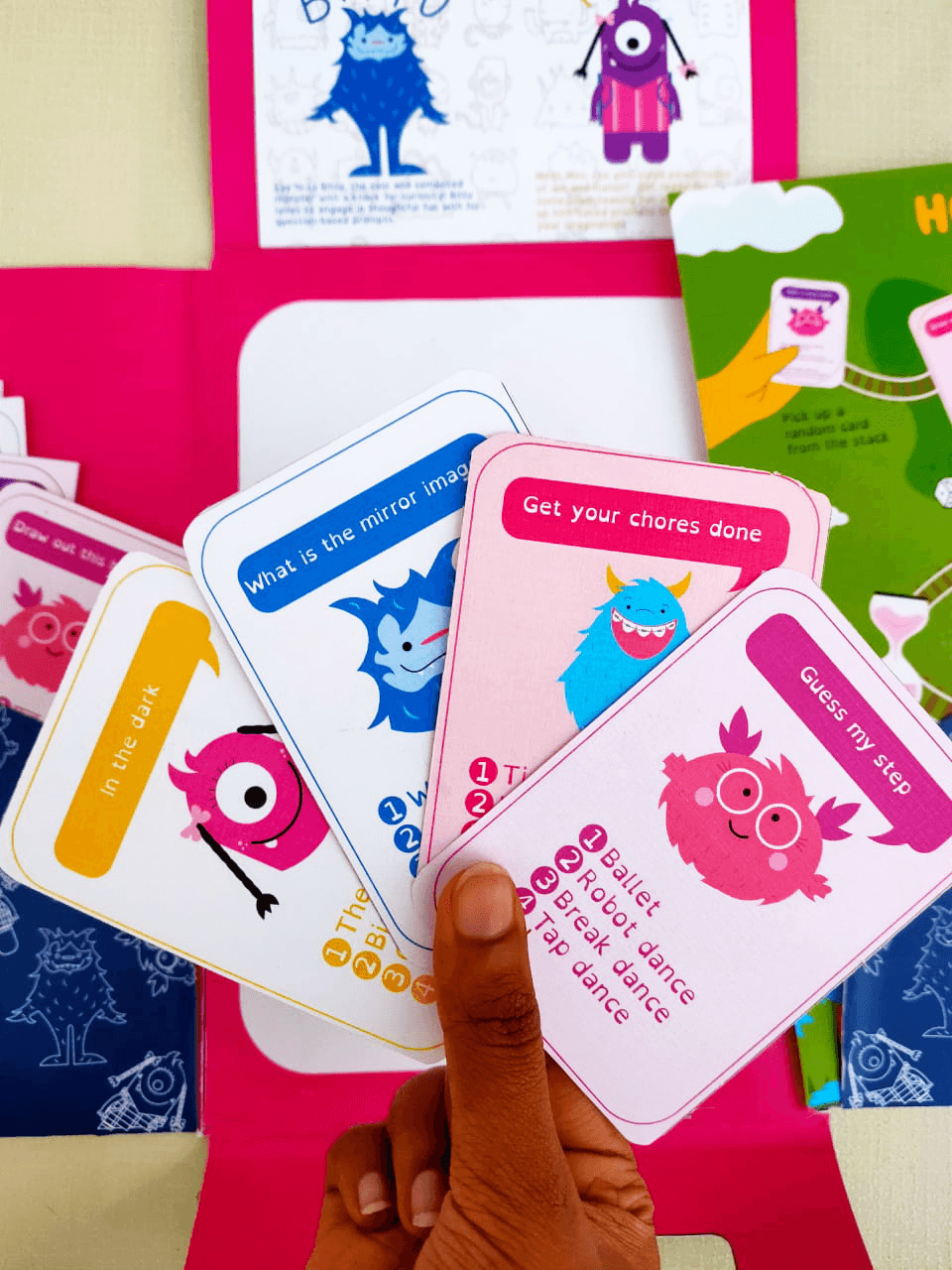
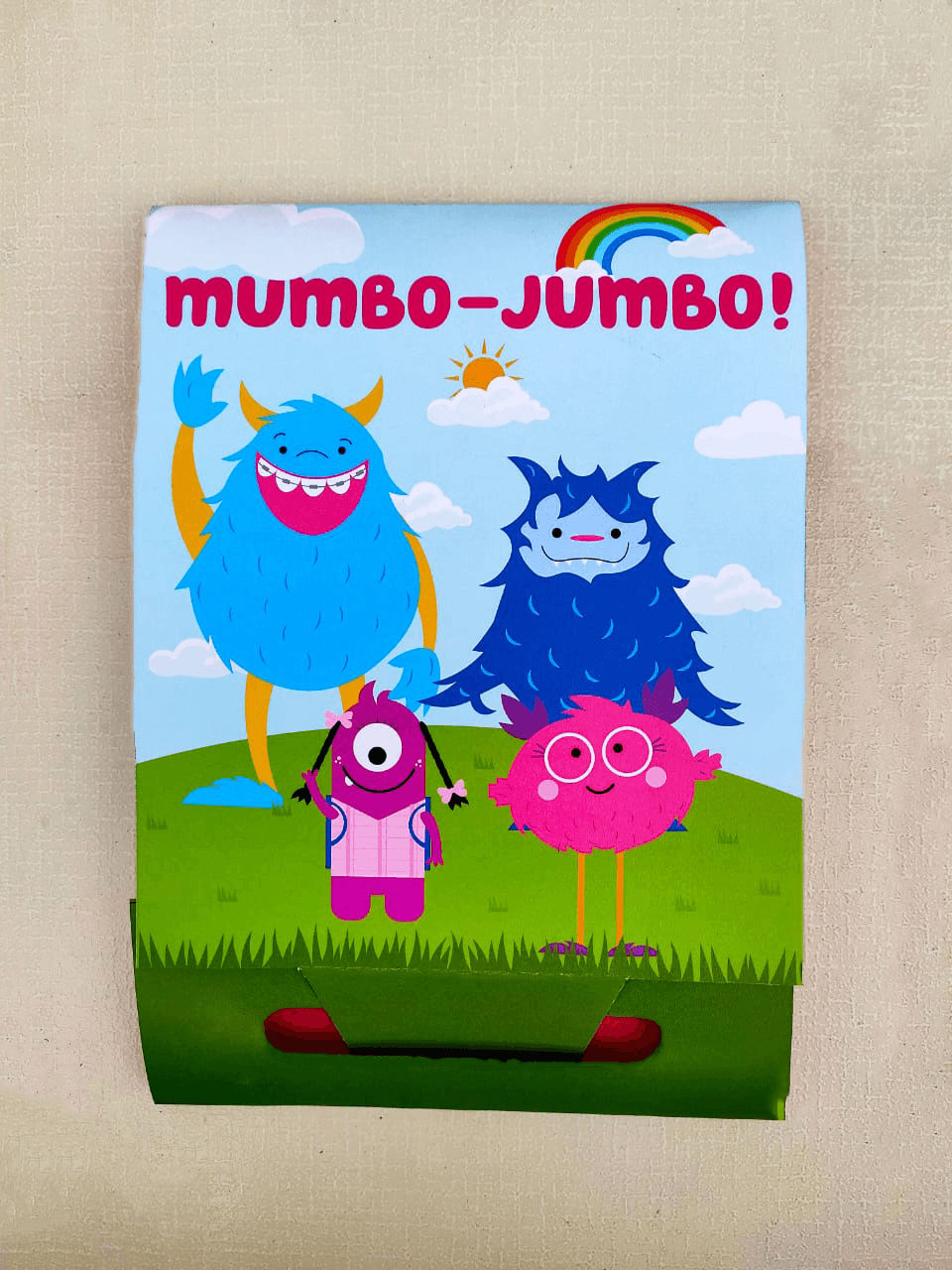
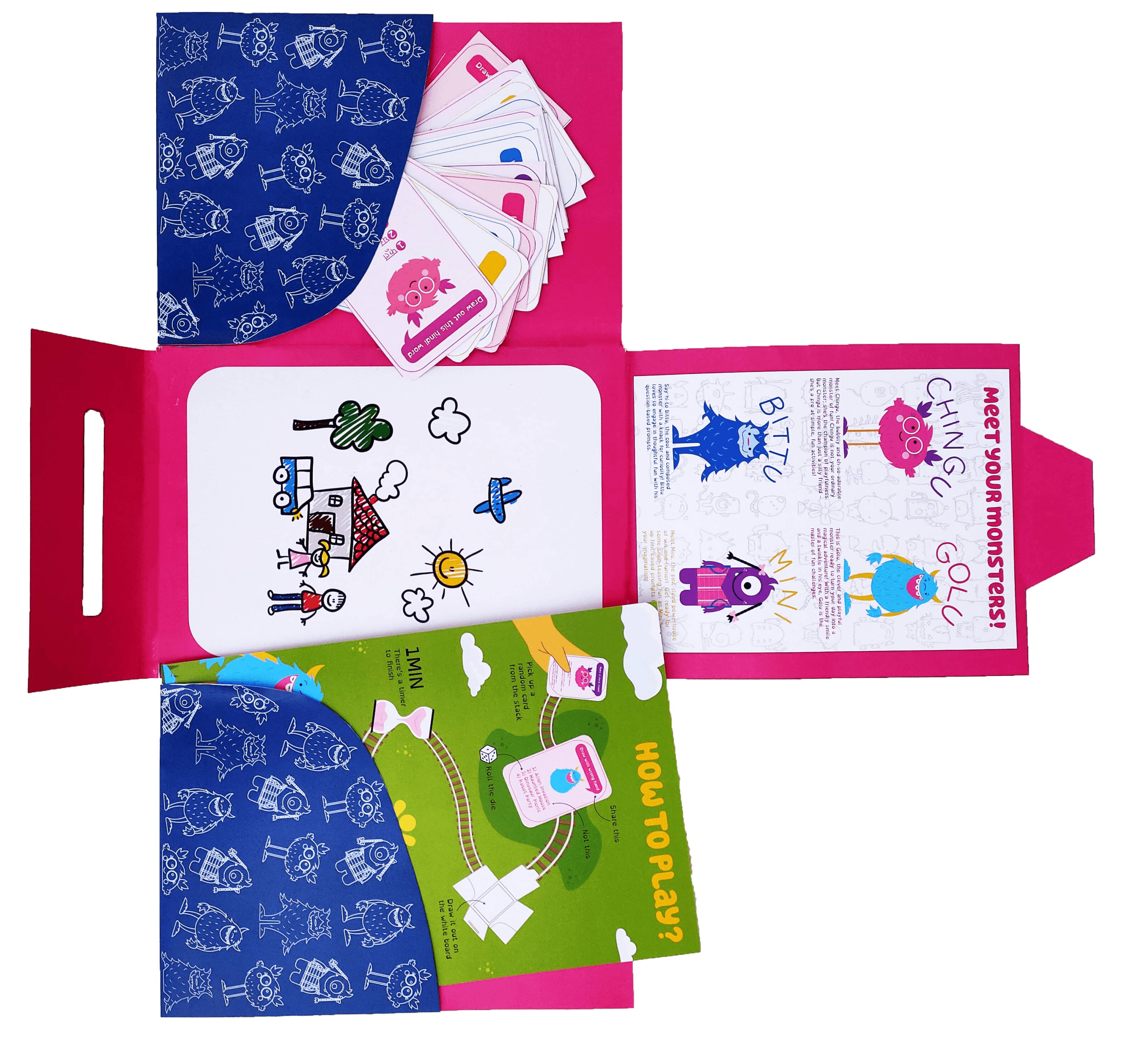
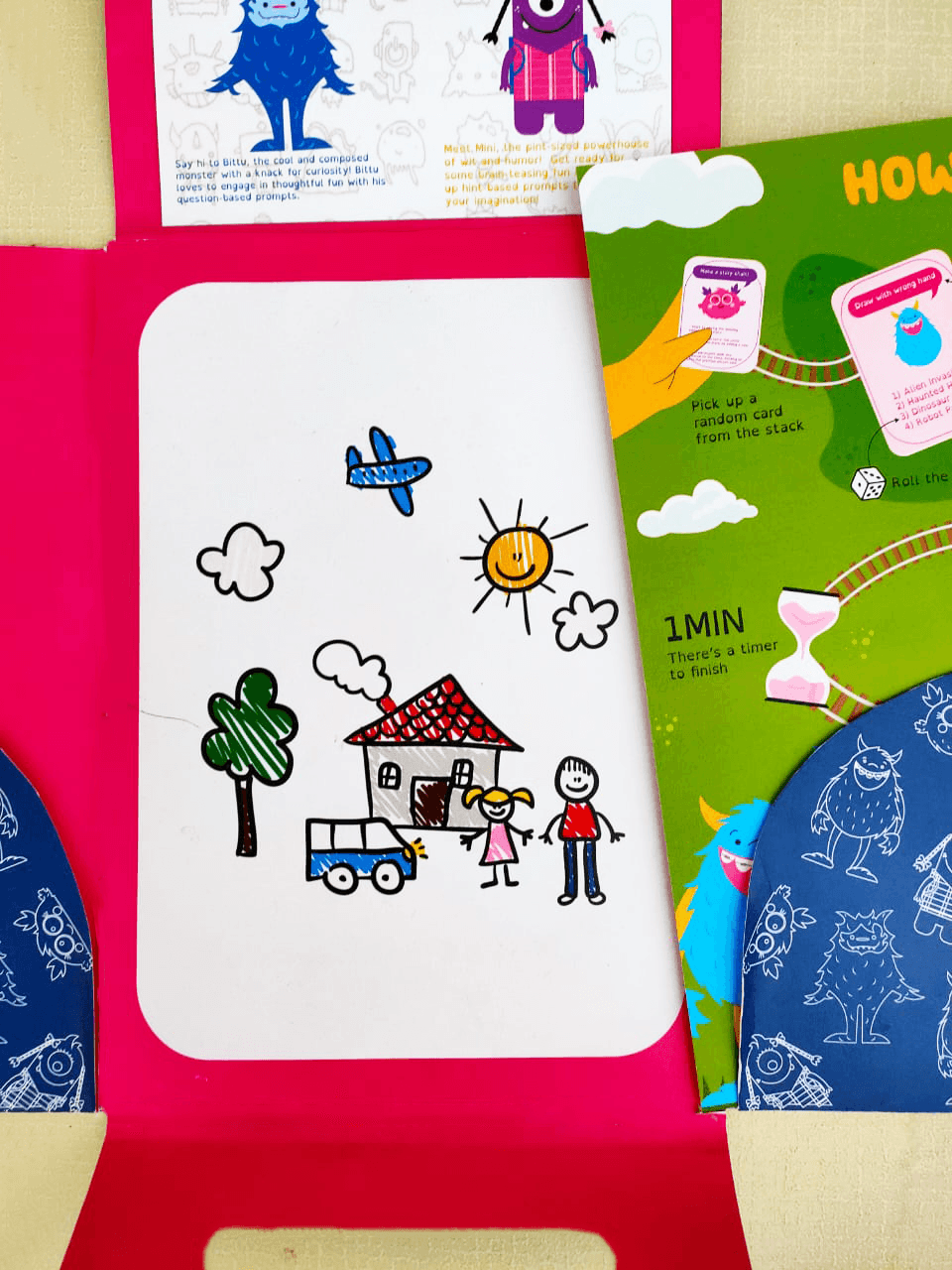
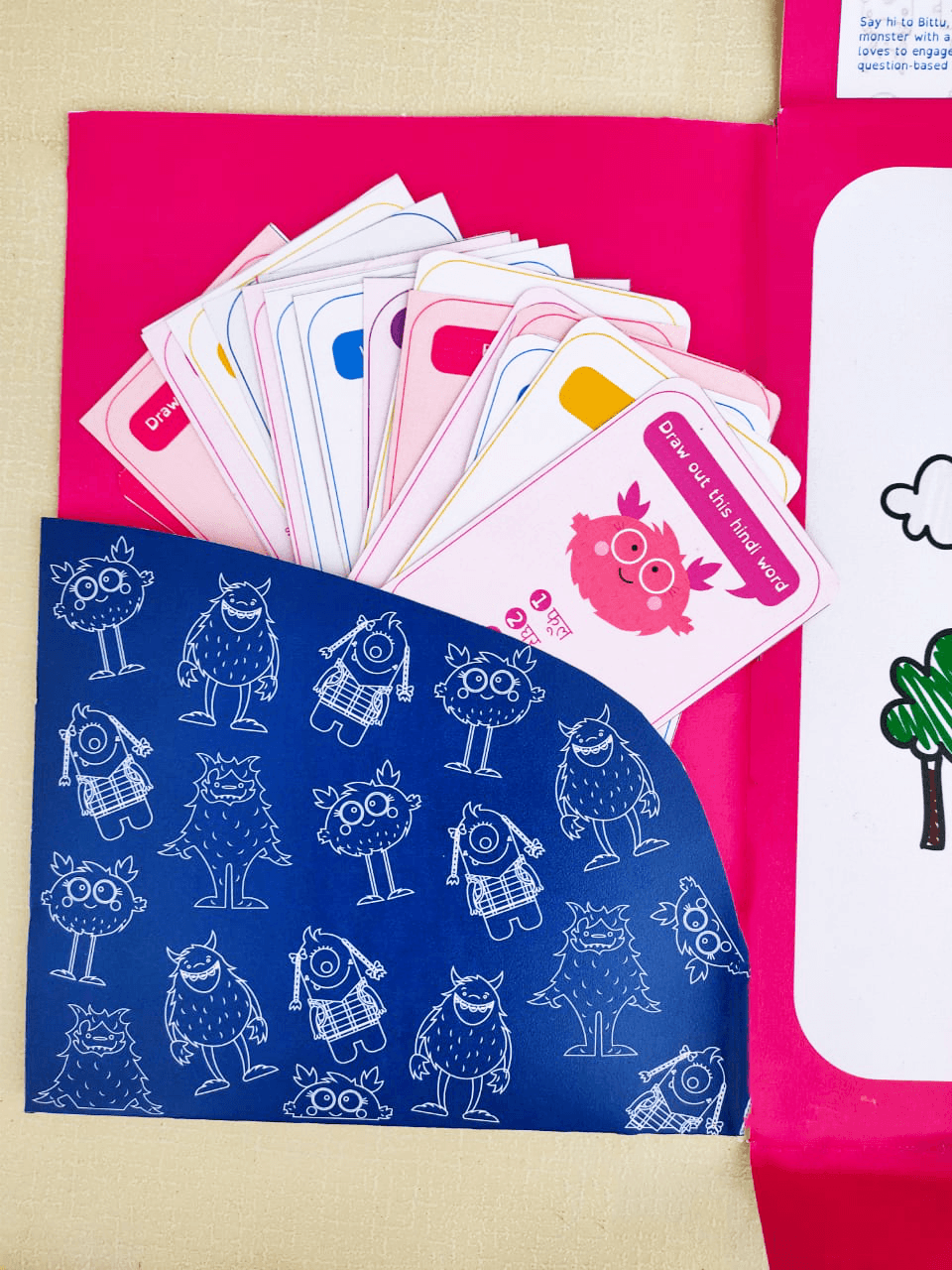
Mumbo-jumbo is an engaging drawing-based activity game designed for classroom use, serving as both an ice-breaking and bonding session tool.
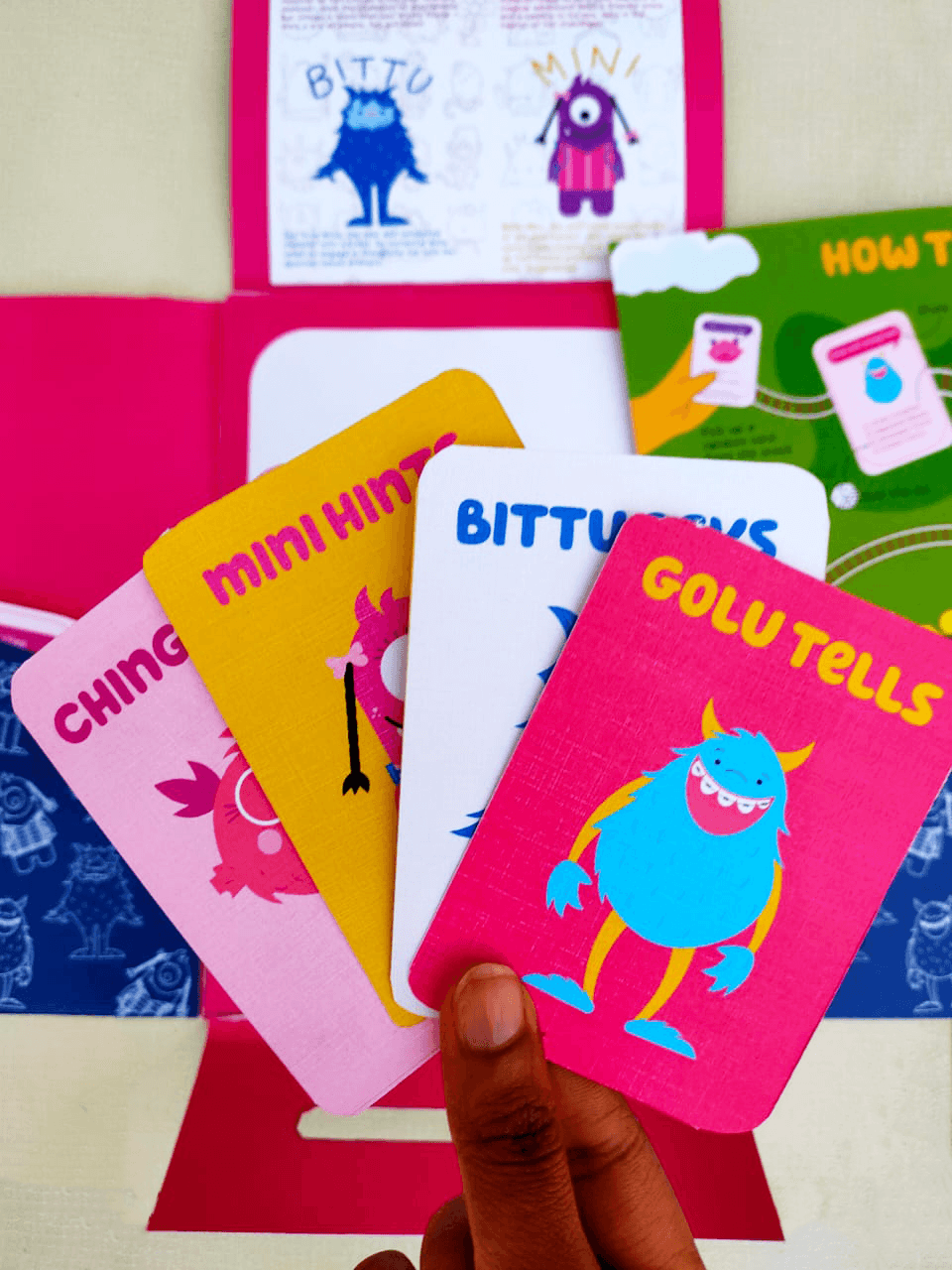
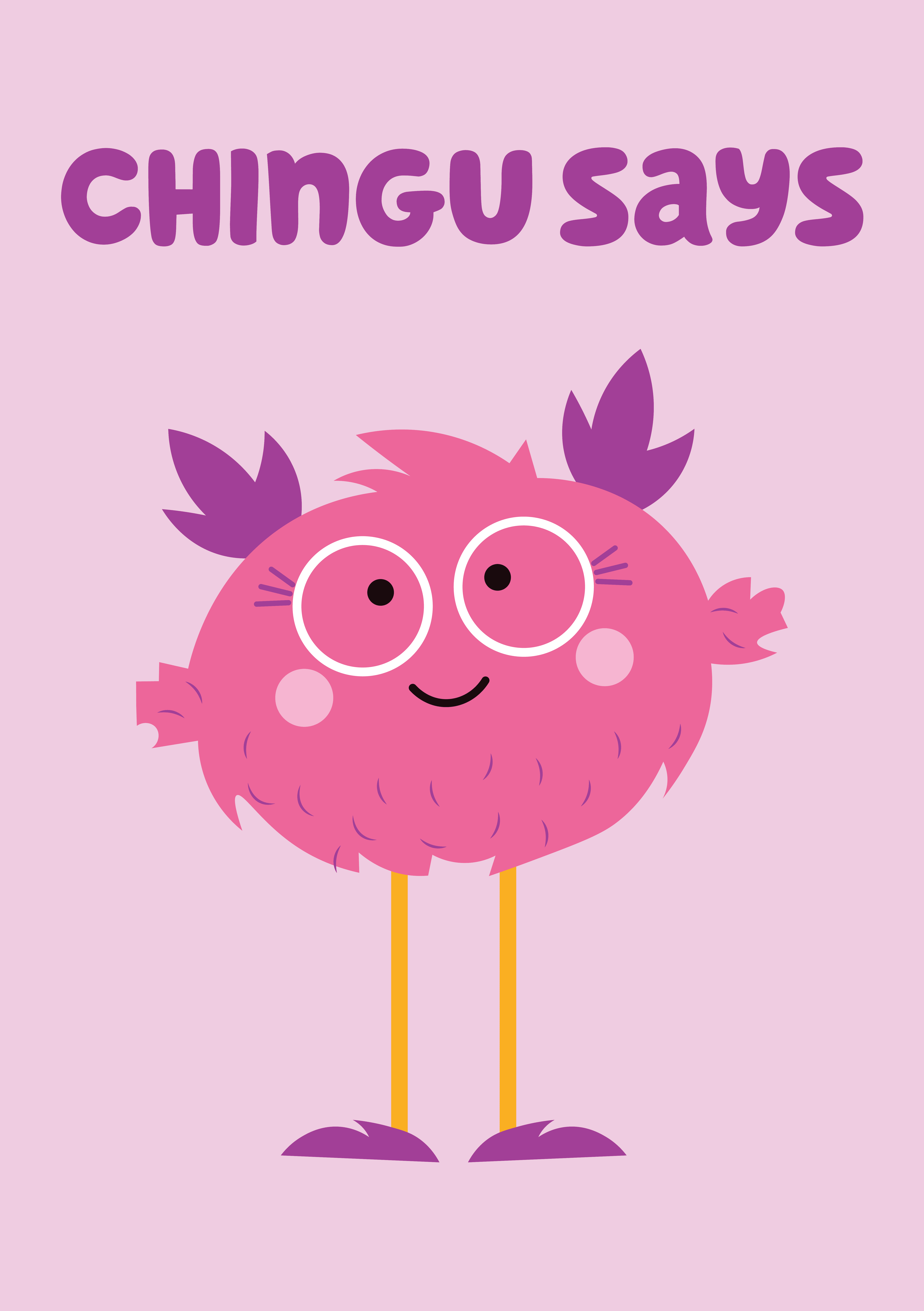
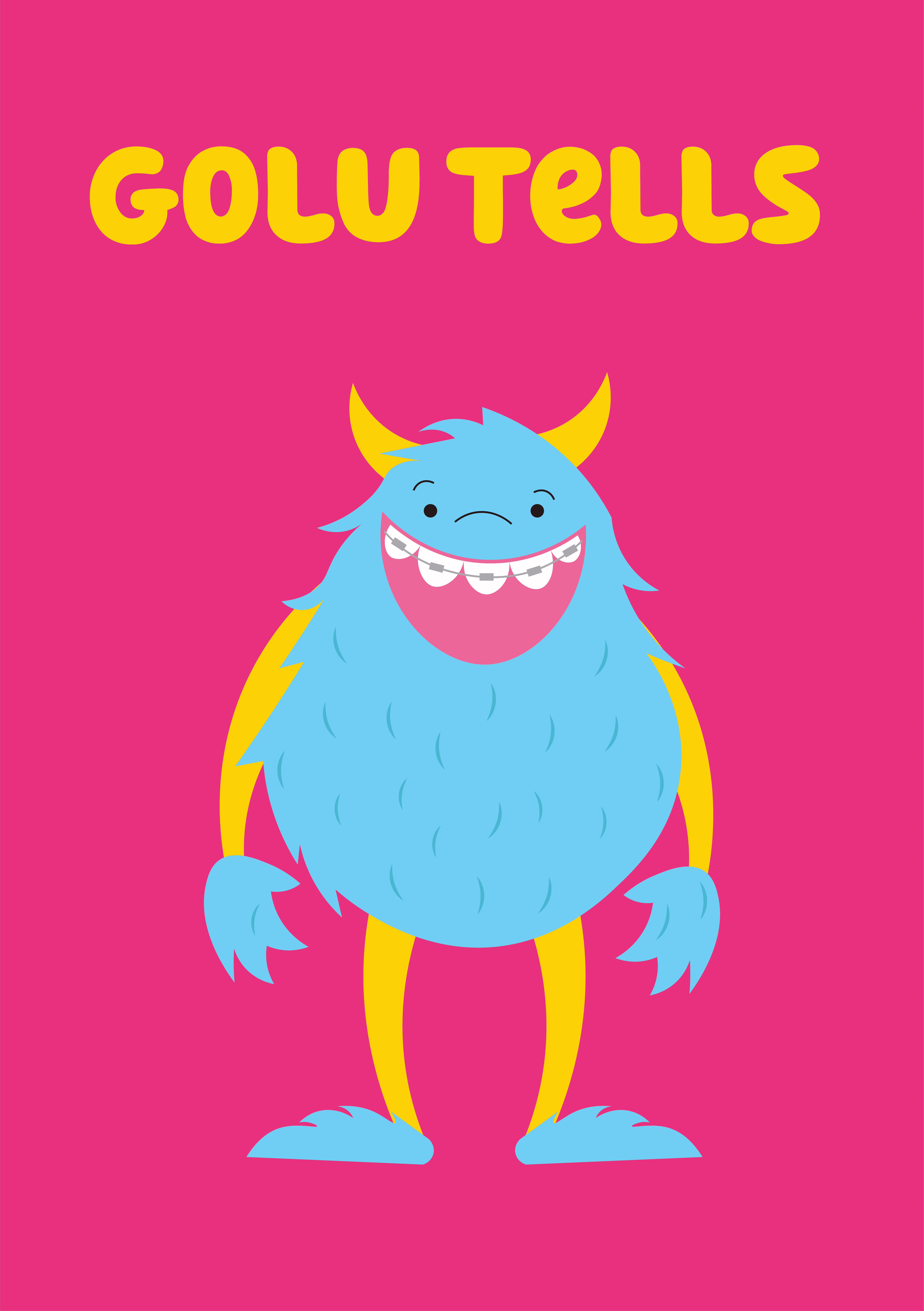
The game features four characters, each with unique personalities, and prompt cards categorized by types of questions inspired by these characters.
Every prompt card is derived from addressing real-world dyslexic challenges, creatively transformed into child-friendly cues.
Mumbo-jumbo is an engaging drawing-based activity game designed for classroom use, serving as both an ice-breaking and bonding session tool.
The game features four characters, each with unique personalities, and prompt cards categorized by types of questions inspired by these characters.
Every prompt card is derived from addressing real-world dyslexic challenges, creatively transformed into child-friendly cues.
Mumbo-jumbo is an engaging drawing-based activity game designed for classroom use, serving as both an ice-breaking and bonding session tool.
The game features four characters, each with unique personalities, and prompt cards categorized by types of questions inspired by these characters.
Every prompt card is derived from addressing real-world dyslexic challenges, creatively transformed into child-friendly cues.
Mumbo-jumbo is an engaging drawing-based activity game designed for classroom use, serving as both an ice-breaking and bonding session tool.
The game features four characters, each with unique personalities, and prompt cards categorized by types of questions inspired by these characters.
Every prompt card is derived from addressing real-world dyslexic challenges, creatively transformed into child-friendly cues.
Unique selling points -
Scientific problem solving prompts which tackles dyslexic problems in real time
Very portable packaging which makes it super easy to stack it, carry it around and put it in your backpack
Unique selling points -
Scientific problem solving prompts which tackles dyslexic problems in real time
Very portable packaging which makes it super easy to stack it, carry it around and put it in your backpack
Unique selling points -
Scientific problem solving prompts which tackles dyslexic problems in real time
Very portable packaging which makes it super easy to stack it, carry it around and put it in your backpack
Unique selling points -
Scientific problem solving prompts which tackles dyslexic problems in real time
Very portable packaging which makes it super easy to stack it, carry it around and put it in your backpack

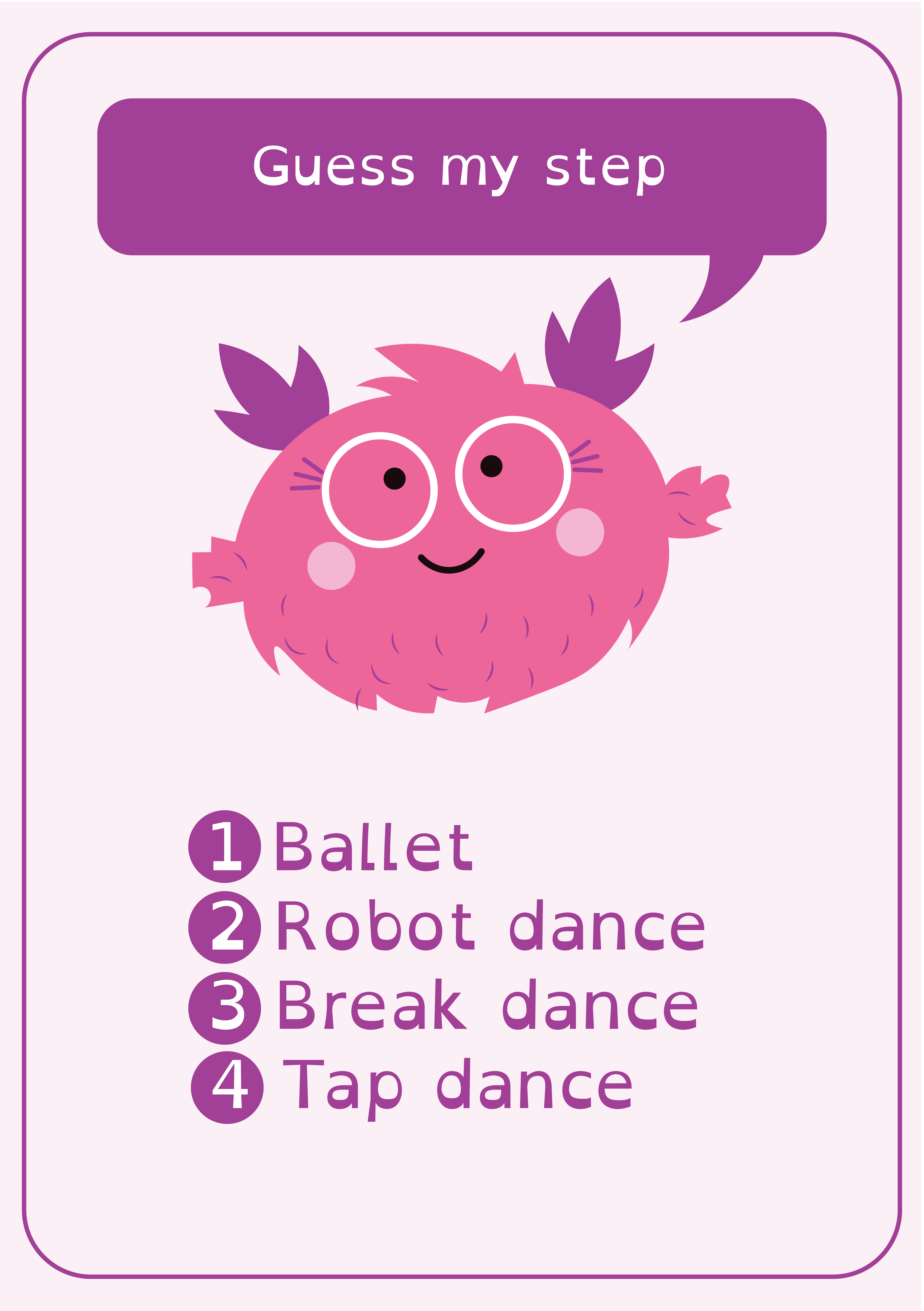
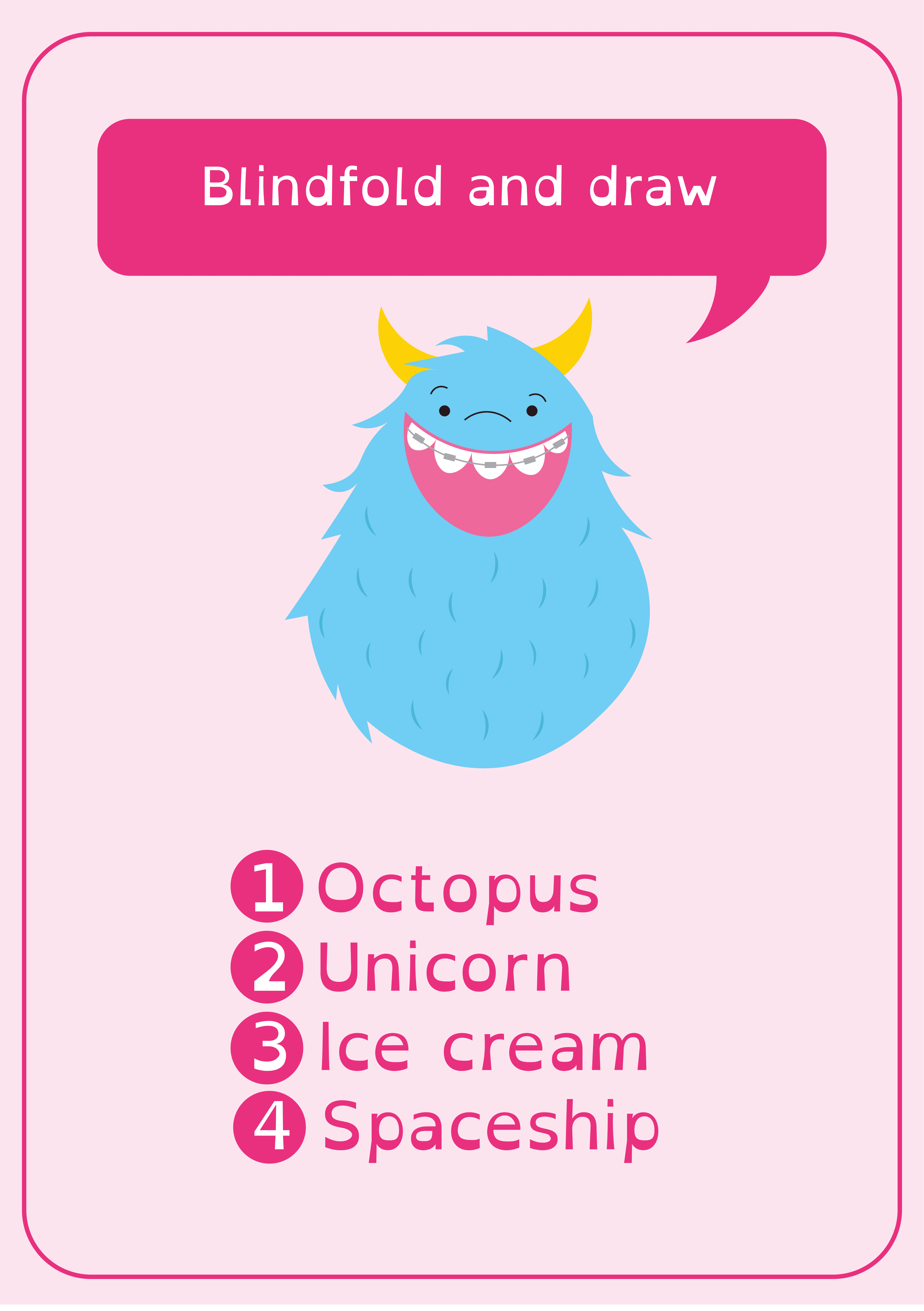
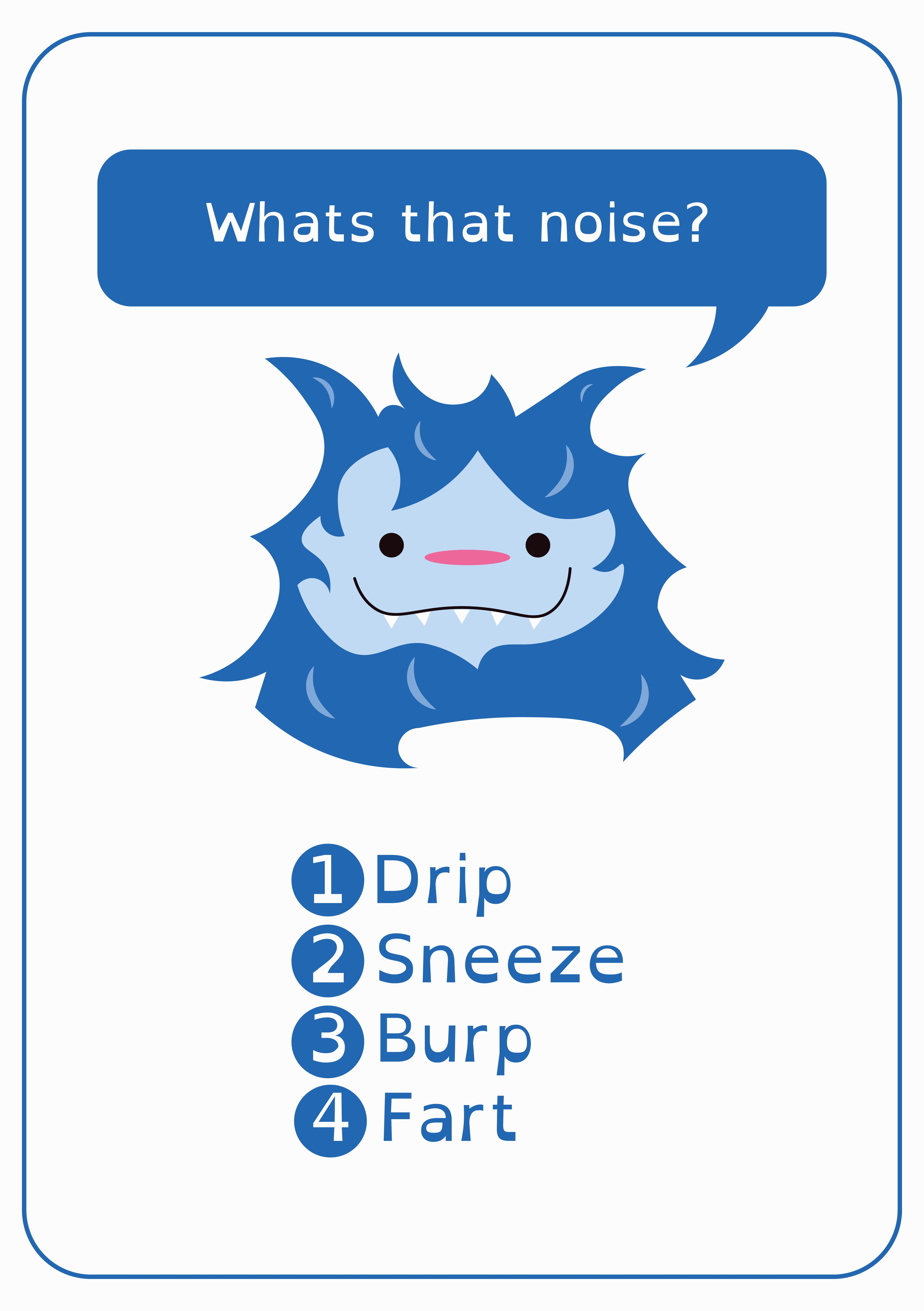
The different types of cards
The different types of cards
The different types of cards
The different types of cards
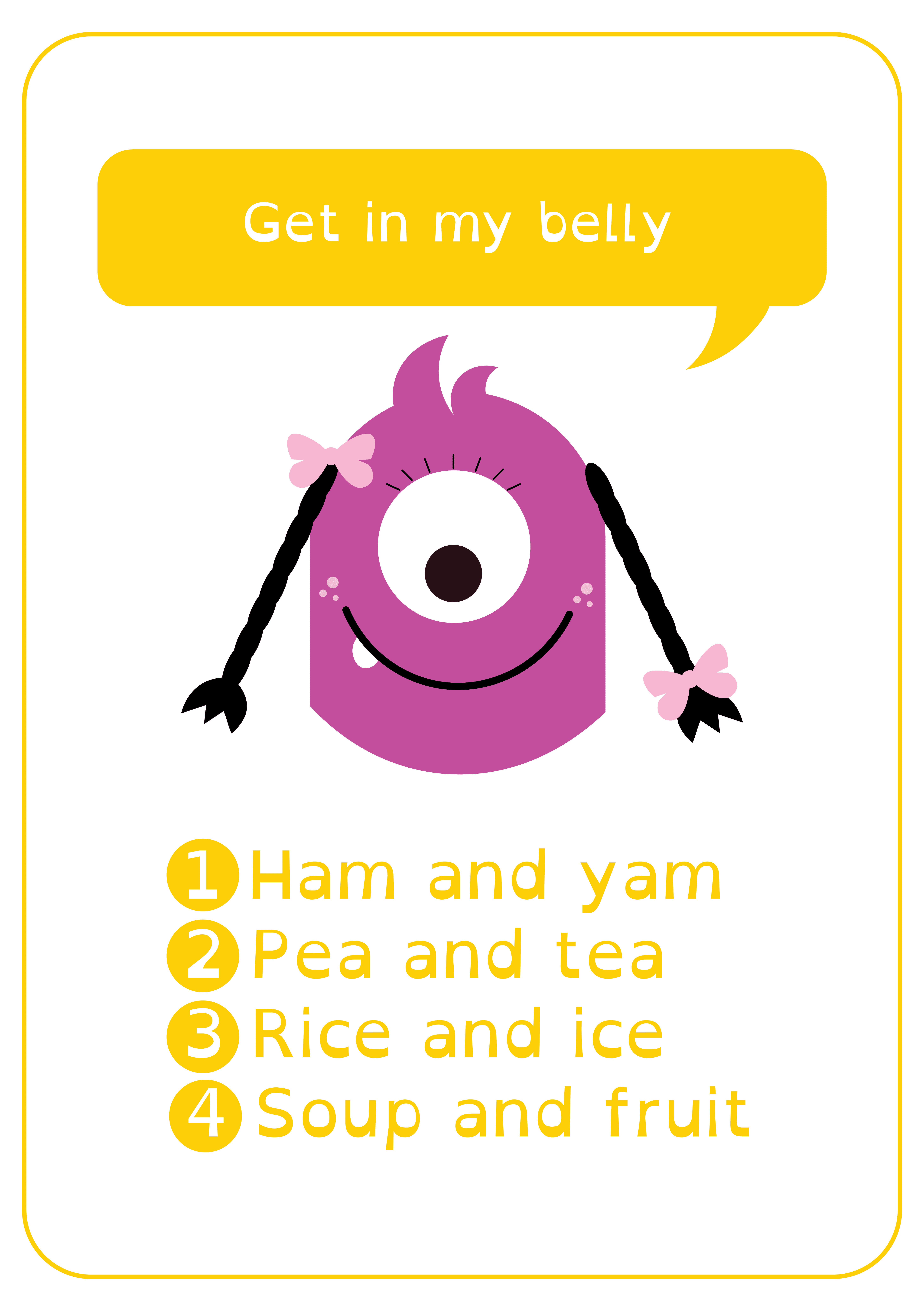
In the project, I've devised four types of cards: Activities, Assertion, Questions and Hints.
These categories each contain five dyslexia-related problems, carefully divided to align with the personalities of the characters in the game.
For instance, Bittu, the curious character, prompts children to decipher emotions, addressing challenges like 'Multi-sensory intrusions' commonly faced by dyslexic kids.
In the project, I've devised four types of cards: Activities, Assertion, Questions and Hints.
These categories each contain five dyslexia-related problems, carefully divided to align with the personalities of the characters in the game.
For instance, Bittu, the curious character, prompts children to decipher emotions, addressing challenges like 'Multi-sensory intrusions' commonly faced by dyslexic kids.
In the project, I've devised four types of cards: Activities, Assertion, Questions and Hints.
These categories each contain five dyslexia-related problems, carefully divided to align with the personalities of the characters in the game.
For instance, Bittu, the curious character, prompts children to decipher emotions, addressing challenges like 'Multi-sensory intrusions' commonly faced by dyslexic kids.
In the project, I've devised four types of cards: Activities, Assertion, Questions and Hints.
These categories each contain five dyslexia-related problems, carefully divided to align with the personalities of the characters in the game.
For instance, Bittu, the curious character, prompts children to decipher emotions, addressing challenges like 'Multi-sensory intrusions' commonly faced by dyslexic kids.
How does this help?
It facilitates an ice-breaking session, easing interactions between children who may not have previously engaged with one another.
It fosters empathy among neurotypical children towards their dyslexic peers, enhancing understanding and inclusivity.
By addressing dyslexia related challenges within the game, it empowers dyslexic children to confront and overcome these obstacles in a supportive environment.
How does this help?
It facilitates an ice-breaking session, easing interactions between children who may not have previously engaged with one another.
It fosters empathy among neurotypical children towards their dyslexic peers, enhancing understanding and inclusivity.
By addressing dyslexia related challenges within the game, it empowers dyslexic children to confront and overcome these obstacles in a supportive environment.
How does this help?
It facilitates an ice-breaking session, easing interactions between children who may not have previously engaged with one another.
It fosters empathy among neurotypical children towards their dyslexic peers, enhancing understanding and inclusivity.
By addressing dyslexia related challenges within the game, it empowers dyslexic children to confront and overcome these obstacles in a supportive environment.
How does this help?
It facilitates an ice-breaking session, easing interactions between children who may not have previously engaged with one another.
It fosters empathy among neurotypical children towards their dyslexic peers, enhancing understanding and inclusivity.
By addressing dyslexia related challenges within the game, it empowers dyslexic children to confront and overcome these obstacles in a supportive environment.
Problem solving prompts
Problem solving prompts
Problem solving prompts
Problem solving prompts
Opendyslexic
Opendyslexic
Opendyslexic
Opendyslexic
Dear watson
Dear watson
Dear watson
Dear watson
Content
Content
Content
Content
Typography
Typography
Typography
Typography
Colours
Colours
Colours
Colours
Body text
Body text
Body text
Body text
#EA6598
#EA6598
#EA6598
#EA6598
#71CBF2
#71CBF2
#71CBF2
#71CBF2
#2267B2
#2267B2
#2267B2
#2267B2
#C14D9B
#C14D9B
#C14D9B
#C14D9B
#FED206
#FED206
#FED206
#FED206
#BED8F0
#BED8F0
#BED8F0
#BED8F0
A crucial part of the process was to compile all our data and research in the form of a looped system mapping connecting our information to one another. Here are the insights -
Systemic Gaps: The Indian education system often lacks early detection and tailored support for students with dyslexia, leading to long term academic and emotional challenges.
Cultural Blind Spots: Awareness about learning disabilities remains low, resulting in stigma and limited accommodations in mainstream classrooms.
Missed Opportunities: While global models (like Finland or Spain) offer inclusive approaches, India’s adoption has been slow, highlighting the need for systemic reform.
A crucial part of the process was to compile all our data and research in the form of a looped system mapping connecting our information to one another. Here are the insights -
Systemic Gaps: The Indian education system often lacks early detection and tailored support for students with dyslexia, leading to long term academic and emotional challenges.
Cultural Blind Spots: Awareness about learning disabilities remains low, resulting in stigma and limited accommodations in mainstream classrooms.
Missed Opportunities: While global models (like Finland or Spain) offer inclusive approaches, India’s adoption has been slow, highlighting the need for systemic reform.
A crucial part of the process was to compile all our data and research in the form of a looped system mapping connecting our information to one another. Here are the insights -
Systemic Gaps: The Indian education system often lacks early detection and tailored support for students with dyslexia, leading to long term academic and emotional challenges.
Cultural Blind Spots: Awareness about learning disabilities remains low, resulting in stigma and limited accommodations in mainstream classrooms.
Missed Opportunities: While global models (like Finland or Spain) offer inclusive approaches, India’s adoption has been slow, highlighting the need for systemic reform.
A crucial part of the process was to compile all our data and research in the form of a looped system mapping connecting our information to one another. Here are the insights -
Systemic Gaps: The Indian education system often lacks early detection and tailored support for students with dyslexia, leading to long term academic and emotional challenges.
Cultural Blind Spots: Awareness about learning disabilities remains low, resulting in stigma and limited accommodations in mainstream classrooms.
Missed Opportunities: While global models (like Finland or Spain) offer inclusive approaches, India’s adoption has been slow, highlighting the need for systemic reform.

For this project, I set out to address the challenge of supporting children with dyslexia within the Indian education system, with a focus on helping them build social skills and friendships.
After refining my research into the question, “How might we provide support to children with dyslexia in fostering social skills and cultivating friendships?”, I designed a classroom based activity game.
Grounded in research and structured around scientific prompts, the game encourages meaningful interactions between neurotypical and dyslexic children. Its core aim is to create a space where connections form around personality and shared experiences rather than academic performance.
Project Overview