As part of my graduation project, I was selected to join frog’s internship programme, where I worked closely with a dedicated mentor on a live, client inspired brief. My project focuses on designing a digital platform to streamline inspections and compliance processes within Indian smart cities.
The work spans end to end design research and thinking, including primary and secondary research, synthesis of findings, insight generation and early stage ideation. The goal is to simplify complex regulatory workflows and improve transparency and efficiency for all stakeholders involved.
The project is currently in progress, with the final outcomes and design solutions being developed and set for completion in June.
frog
(Grad Project - work in process)

Structured interviews (core method)
Mock inspections

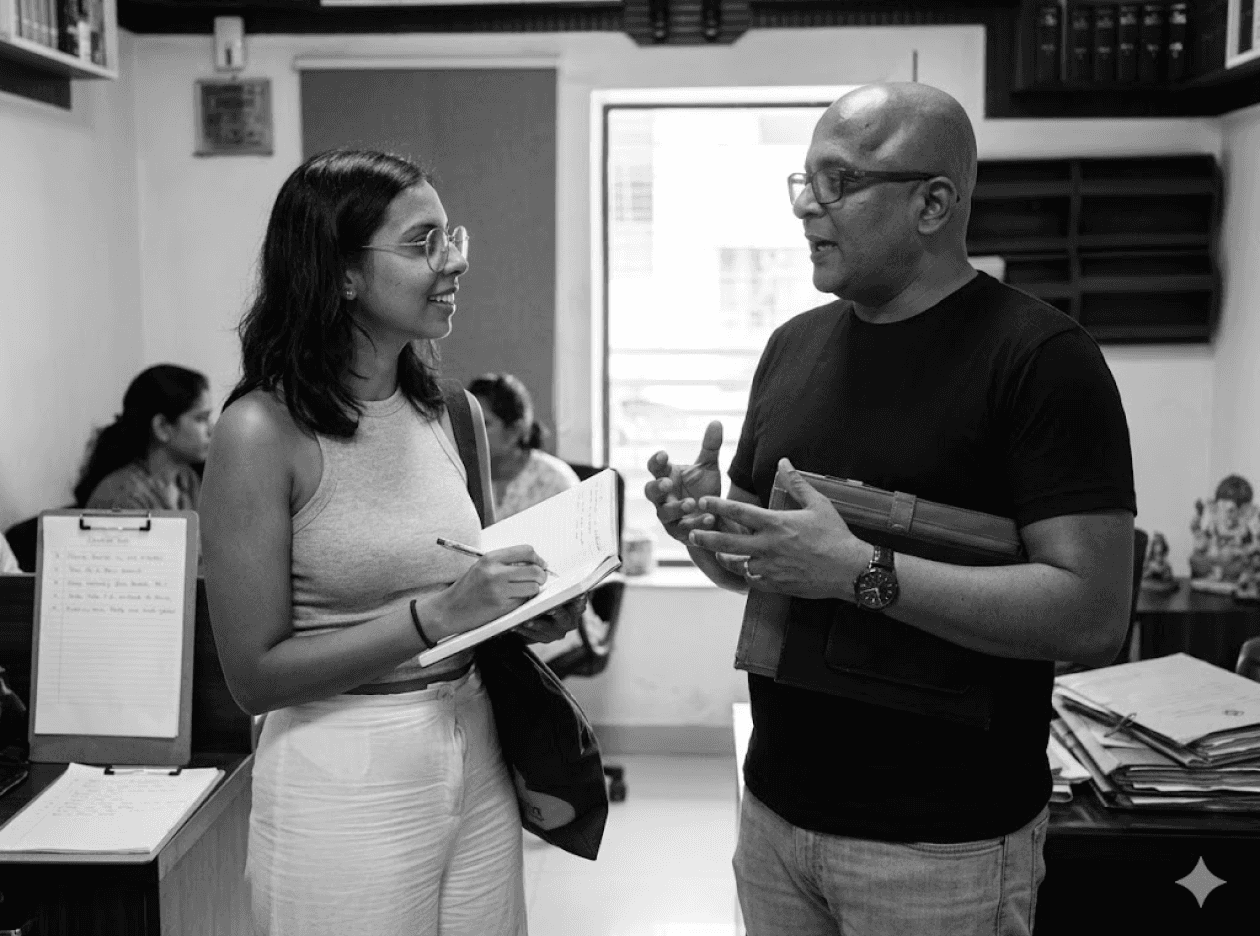
Business Owners (5–7)
Restaurants, small shops, service businesses
Mix of:
Recently inspected
Renewed recently
Faced penalties/notices
Taking notes and observing the internal and backend functioning of the businesses
Usually asking the owners if they can walk me through an inspection they remember
“The whole process just drives on and on and on and on. So it's like it's never ending.”
INTERVIEWEE
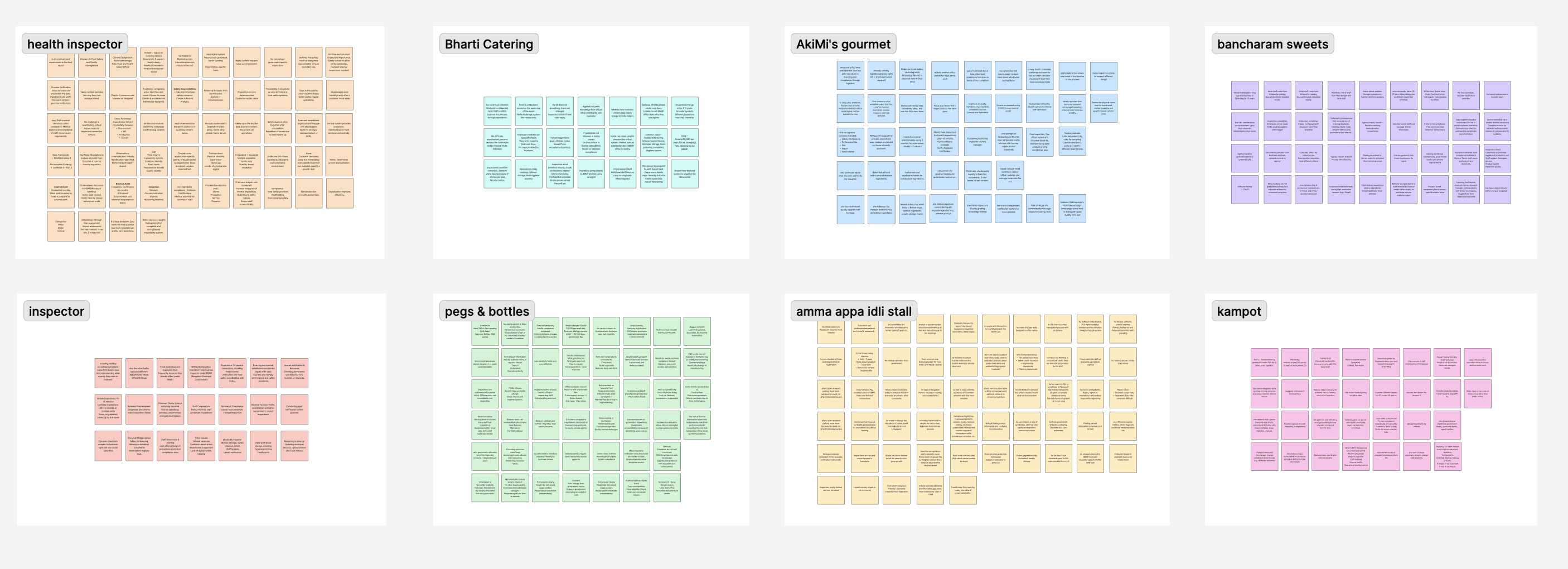
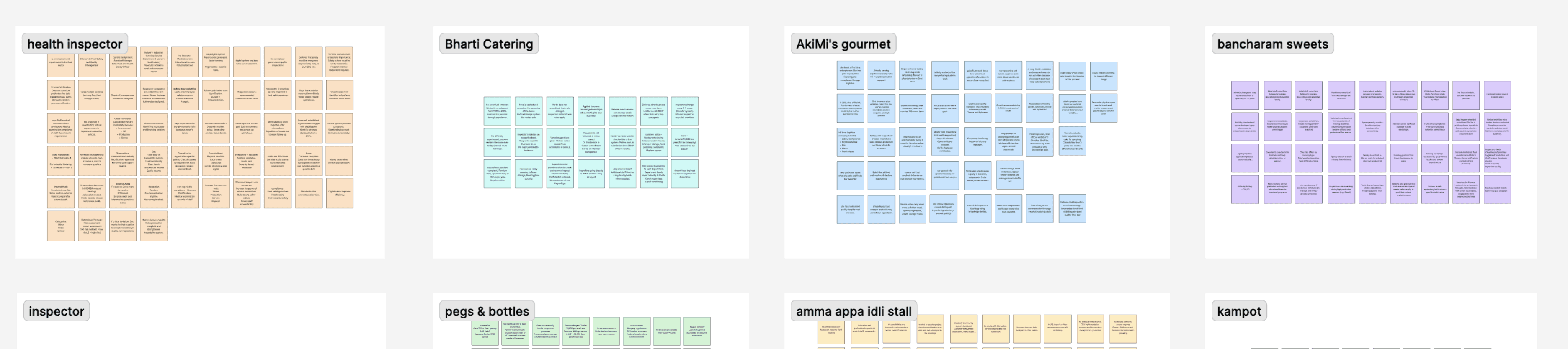
RESEARCH SCOPE
Geographic scope - Primarily Bangalore (BBMP jurisdiction), with one Chennai participant (Akila)
Regulatory scope - full compliance lifecycle, not just one license. Trade License (BBMP), FSSAI, Shops & Establishments, GST registration, fire safety certificates, labor/ESI certificates, and health inspections.
Business type scope - All scale format (brick-and-mortar vs. food truck vs. home-based)
Thematic scope - phases of the compliance journey. before (applying for a license), during (inspections), and after (outcomes, notices, renewal)
I met with a range of business owners and inspectors
More than half of all respondents who i interacted with found the overall licensing procedure to be difficult or very difficult to follow
Through a structured interviews with restaurant owners and government officials and an analysis of secondary information, I found that it takes 120 to 150 days to obtain all licences, if there is no delay beyond the officially stipulated time, and the formal cost varies from Rs. 18,300 to Rs. 1,852,087
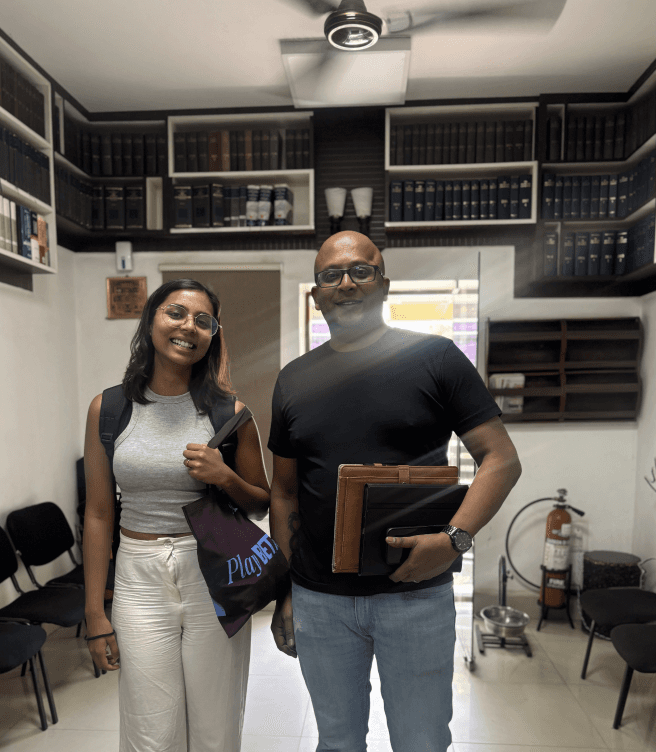


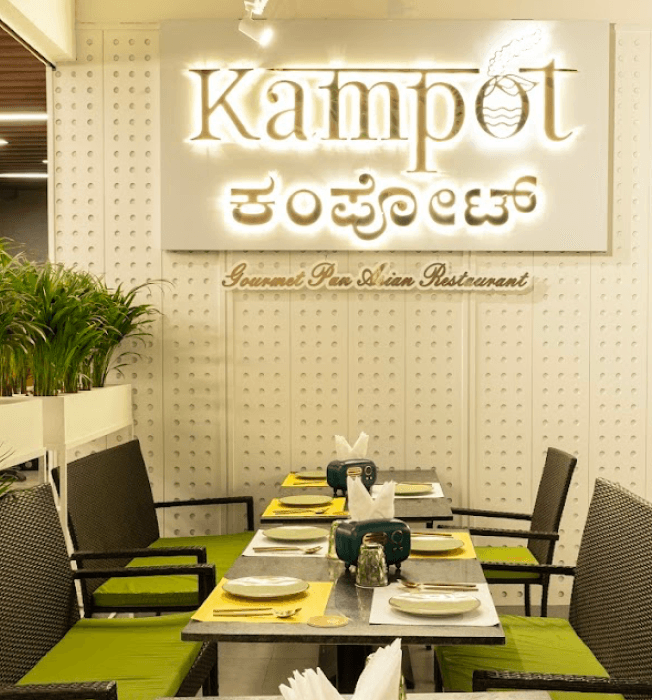
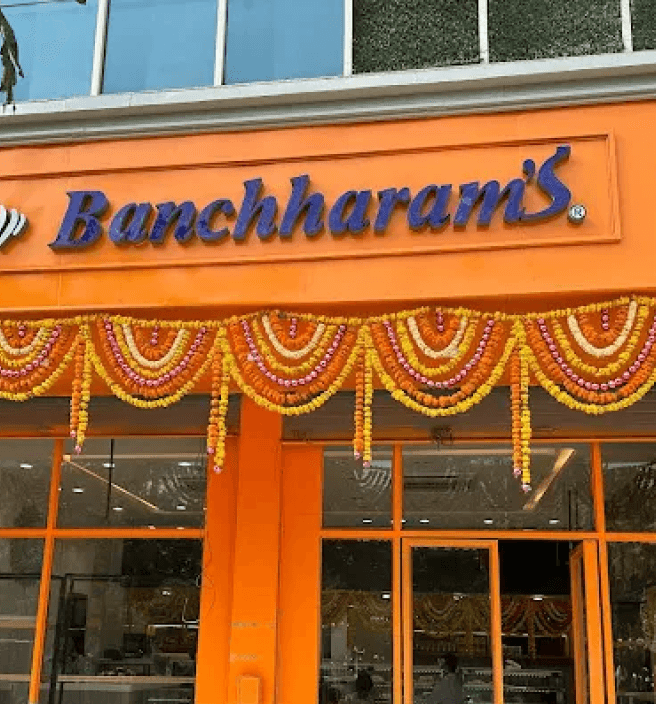
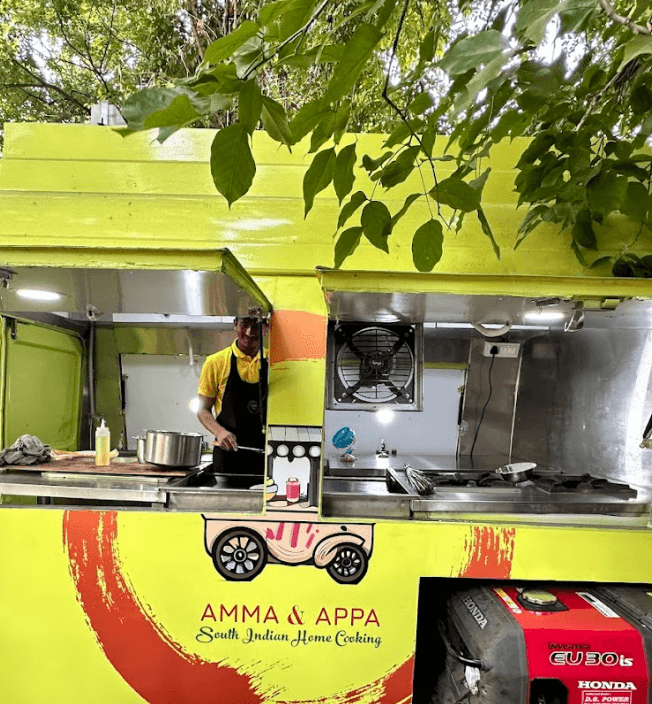
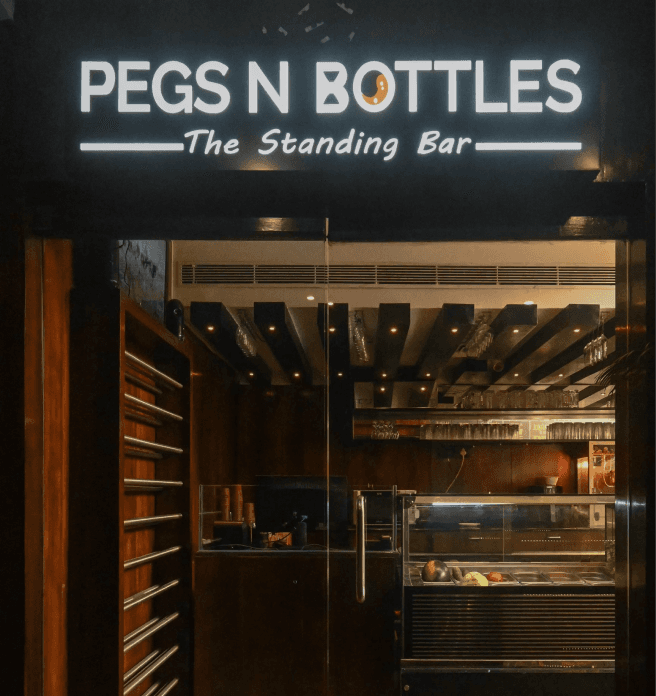
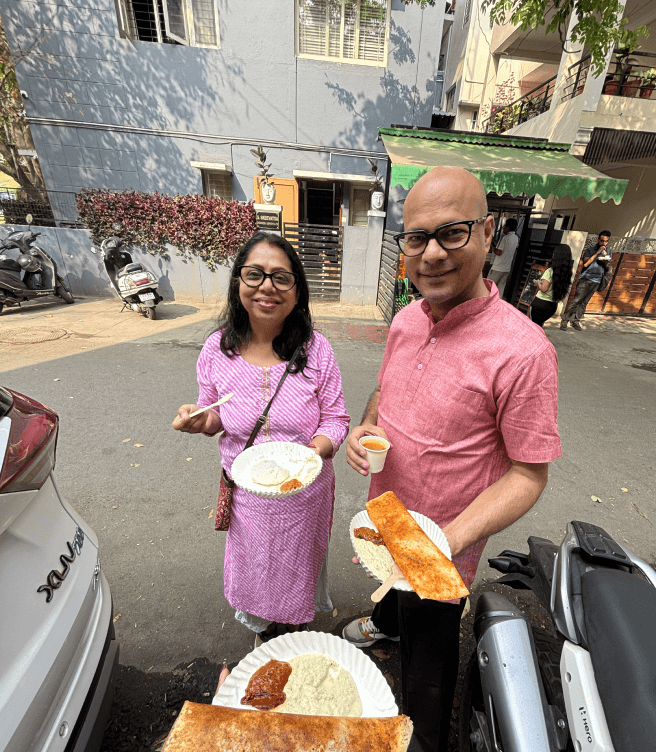

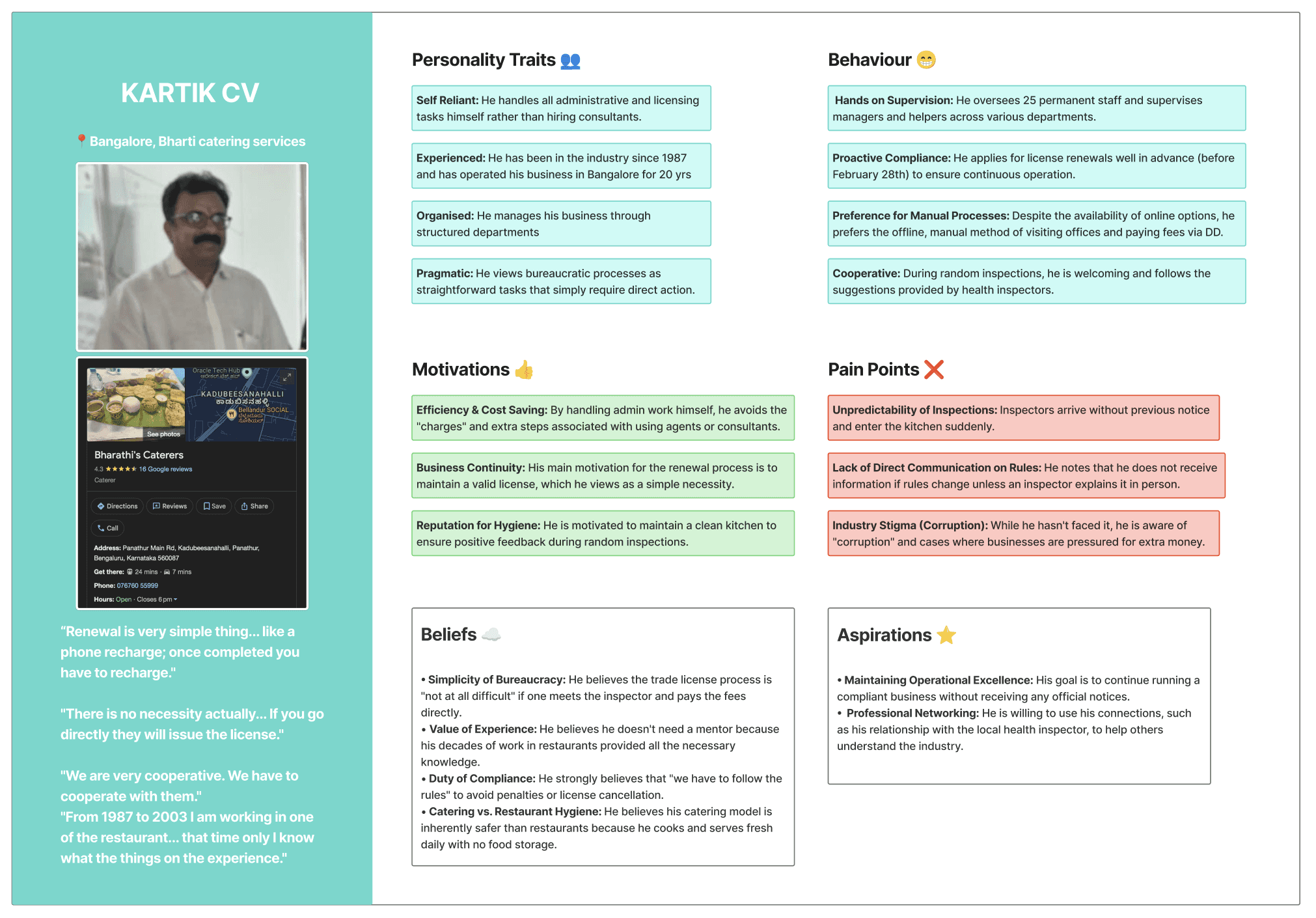
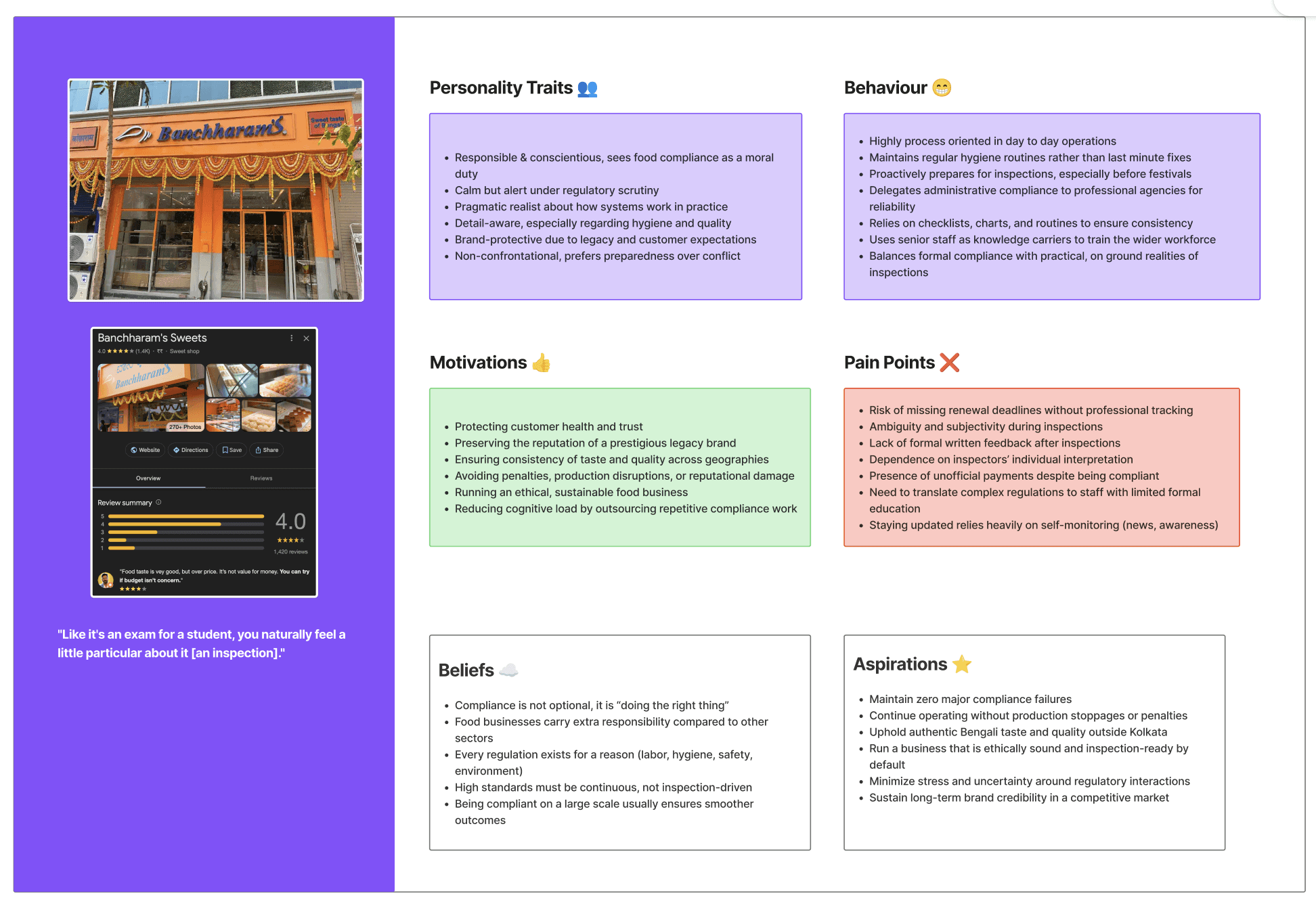
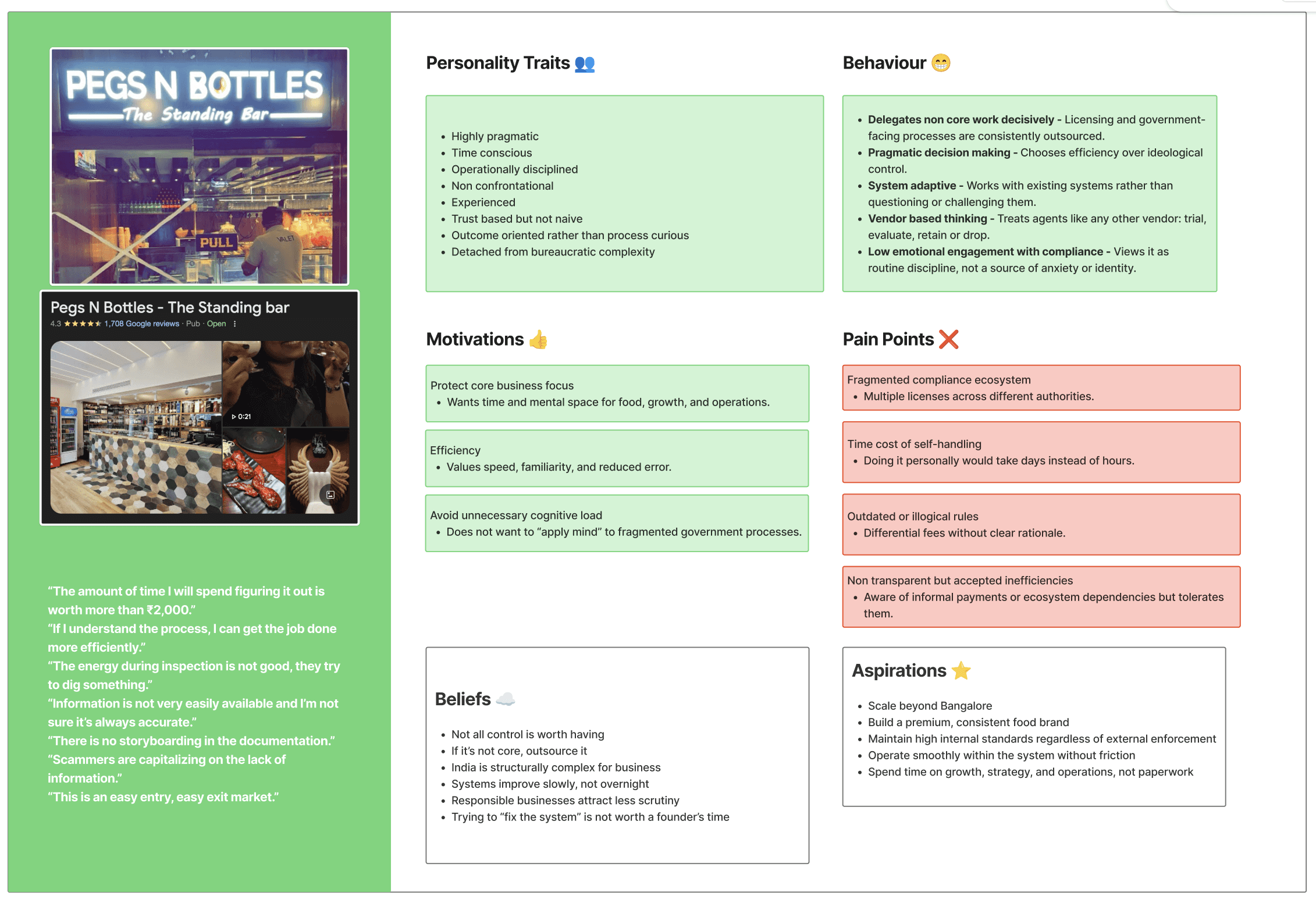
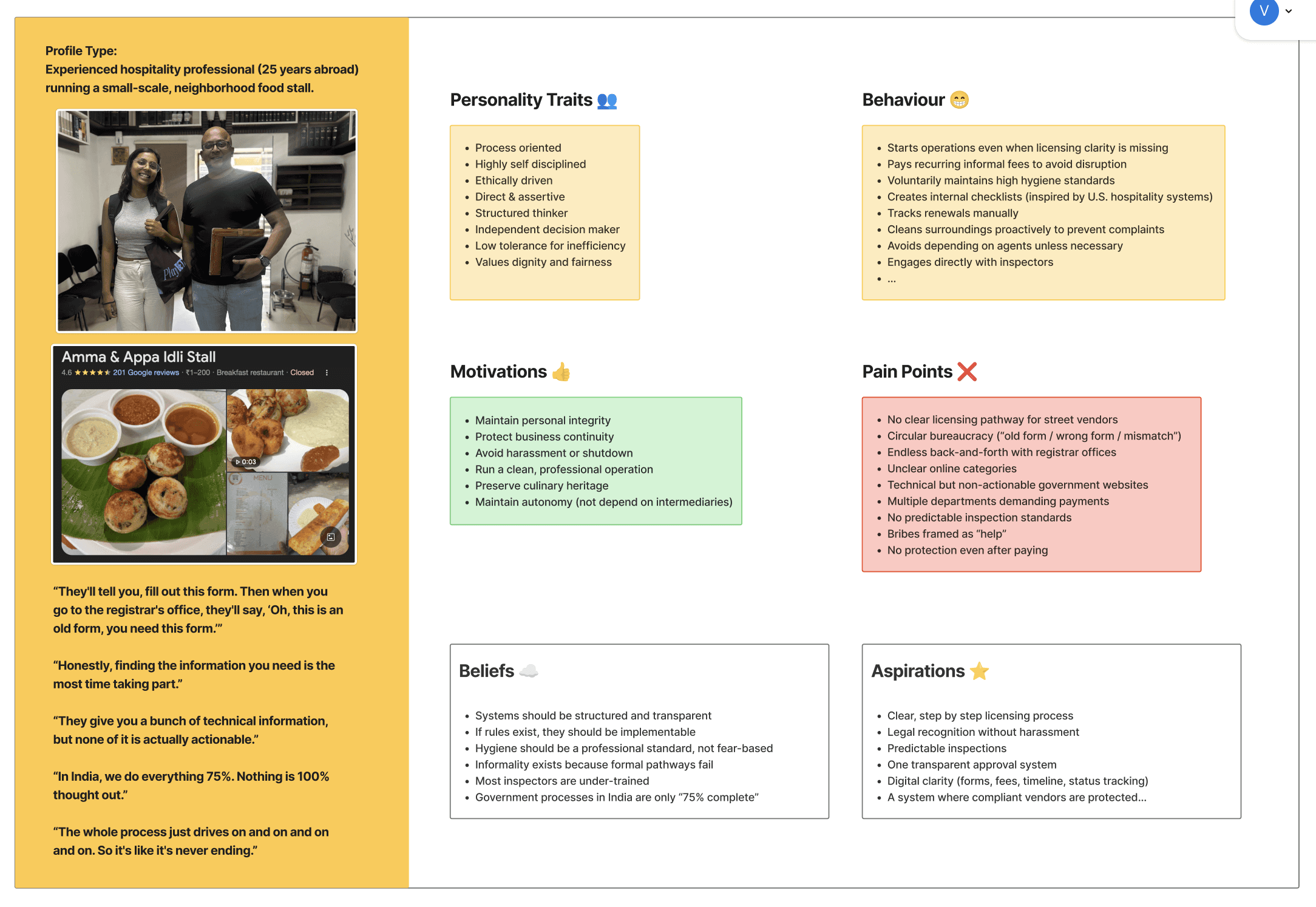
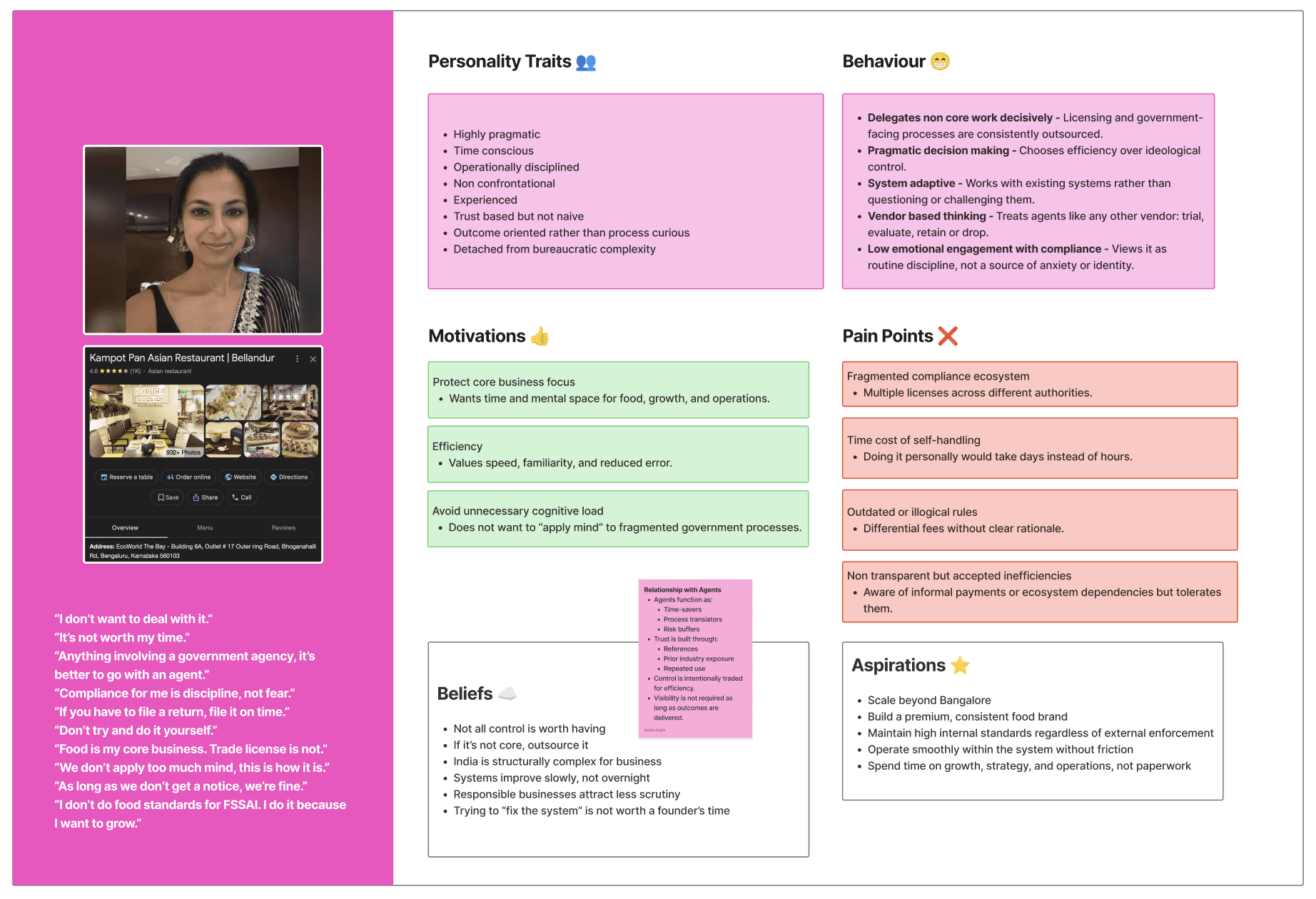
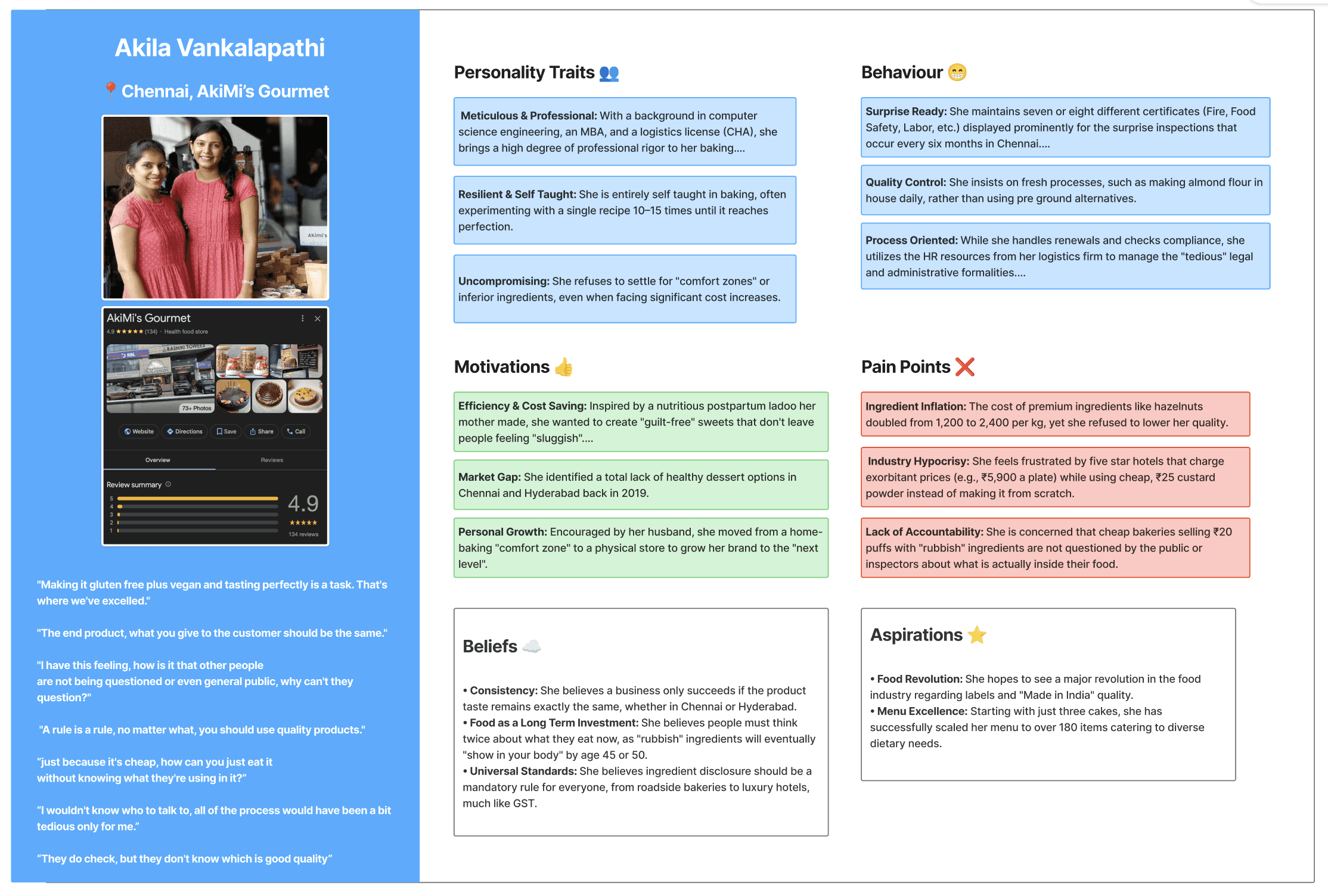
Even if restaurateurs manage to fulfil all the licensing requirements to open, they are plagued by an extortionary inspections regime and arbitrary changes in rules.
In fact, a major complaint of the interviewed restaurateurs was the lack of a single point to access clear guidelines to be followed while operating a restaurant.

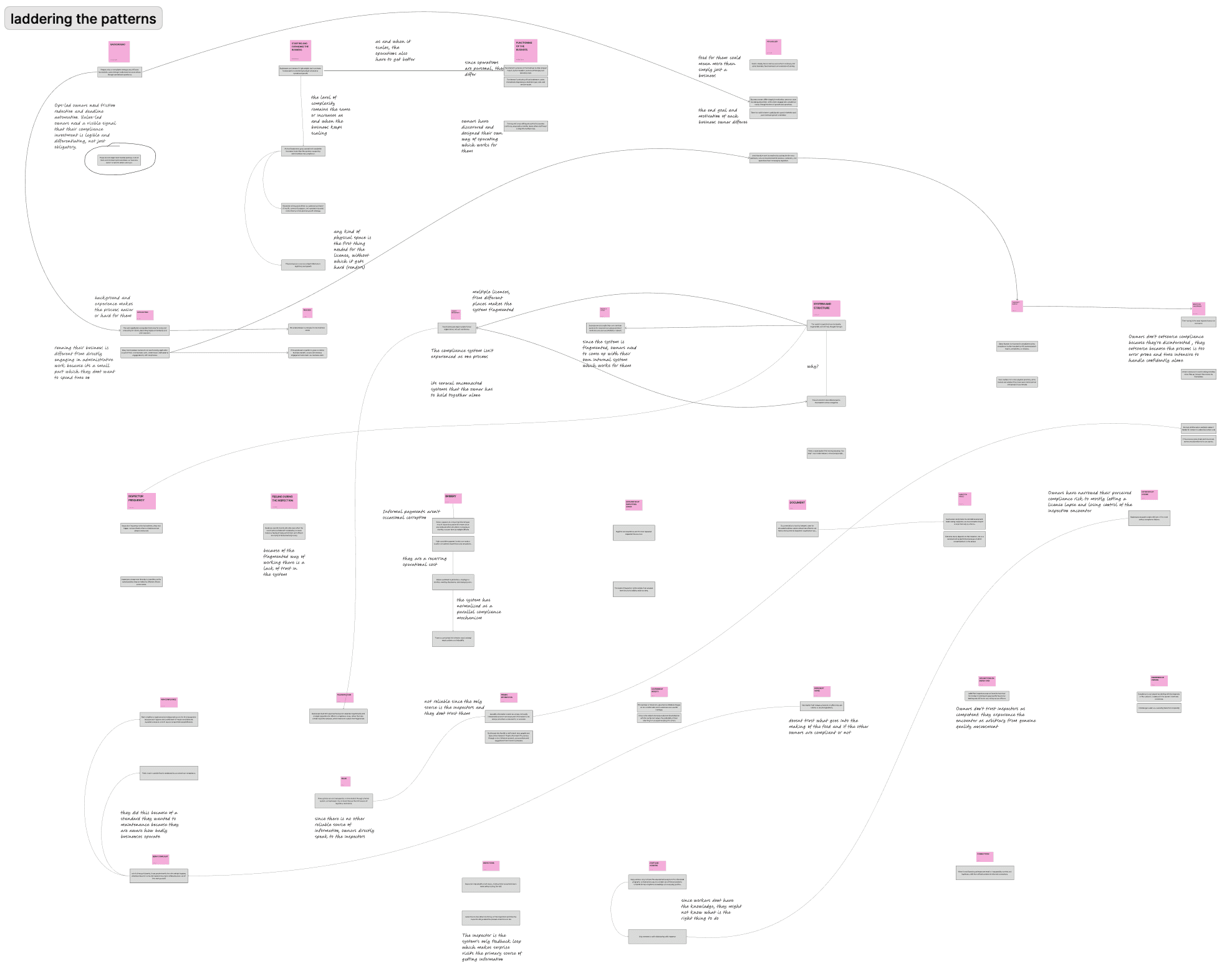
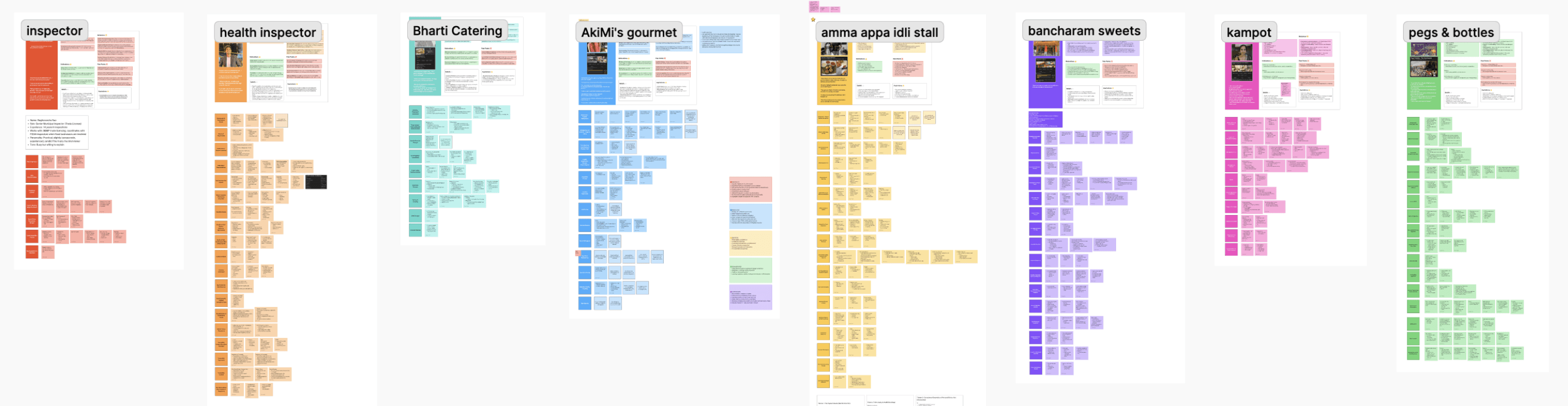
Things people said, things they did, things they felt
An inspection regime ought to maximise compliance by providing relevant information to enterprises such as easily accessible guidance material and checklists. However, about 6 of the respondents were not aware about the parameters used for conducting inspections.

“The Indian government machinery is a complex beast”
Any entrepreneur looking to open an eating house in Bangalore must obtain approvals from several authorities including BBMP, the Food Safety Department and the Police.
Typically 6–10 licenses are required, such as the trade license, FSSAI license, fire NOC, and shops and establishments registration.
In contrast, it takes four licences in China, two in Turkey and one in Hong Kong
ARCHETYPES
My research identified
four archetypes with distinct behaviours and needs
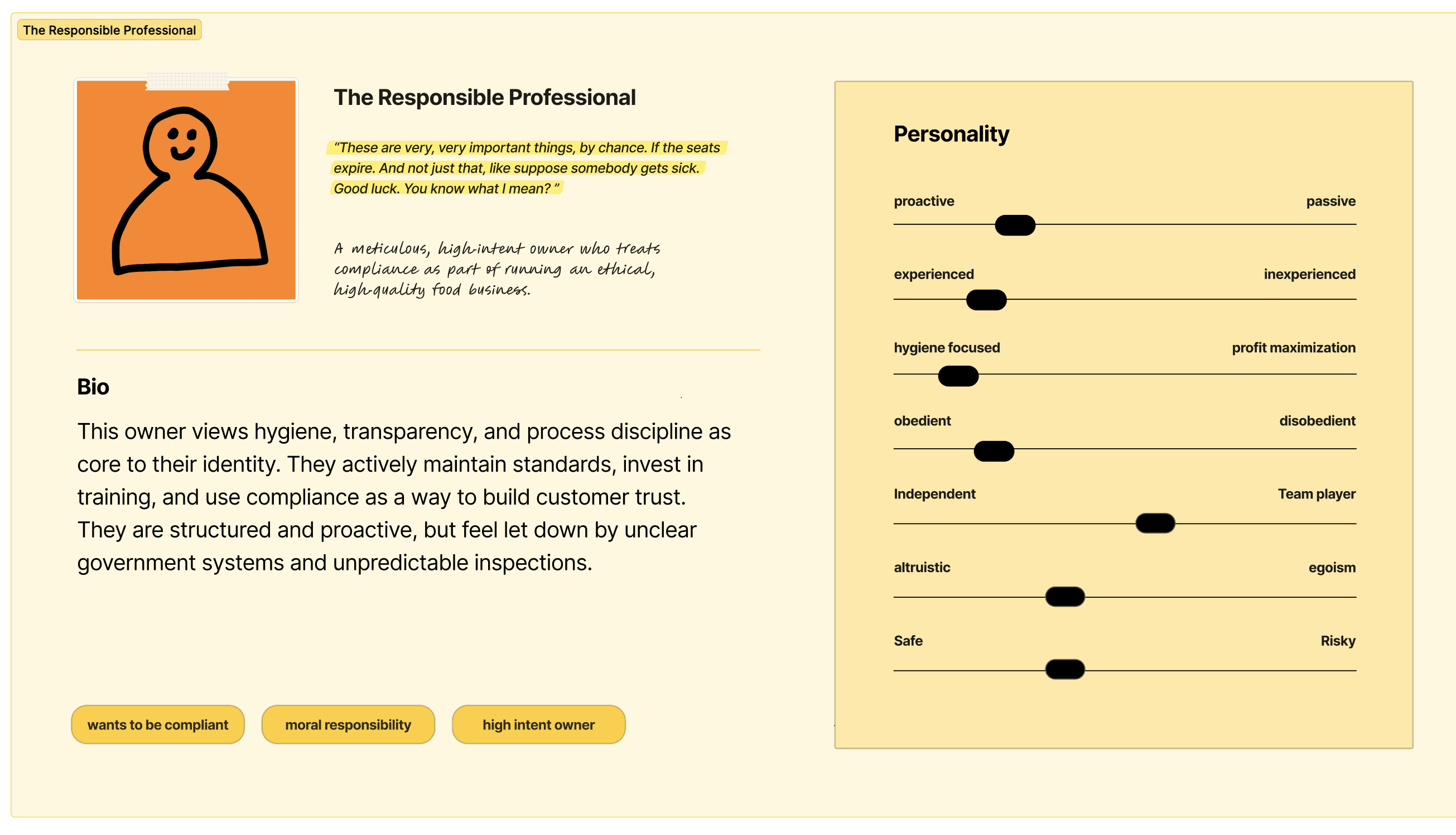
The Responsible Professional - A meticulous, high intent owner who treats compliance as part of running an ethical, high quality food business.
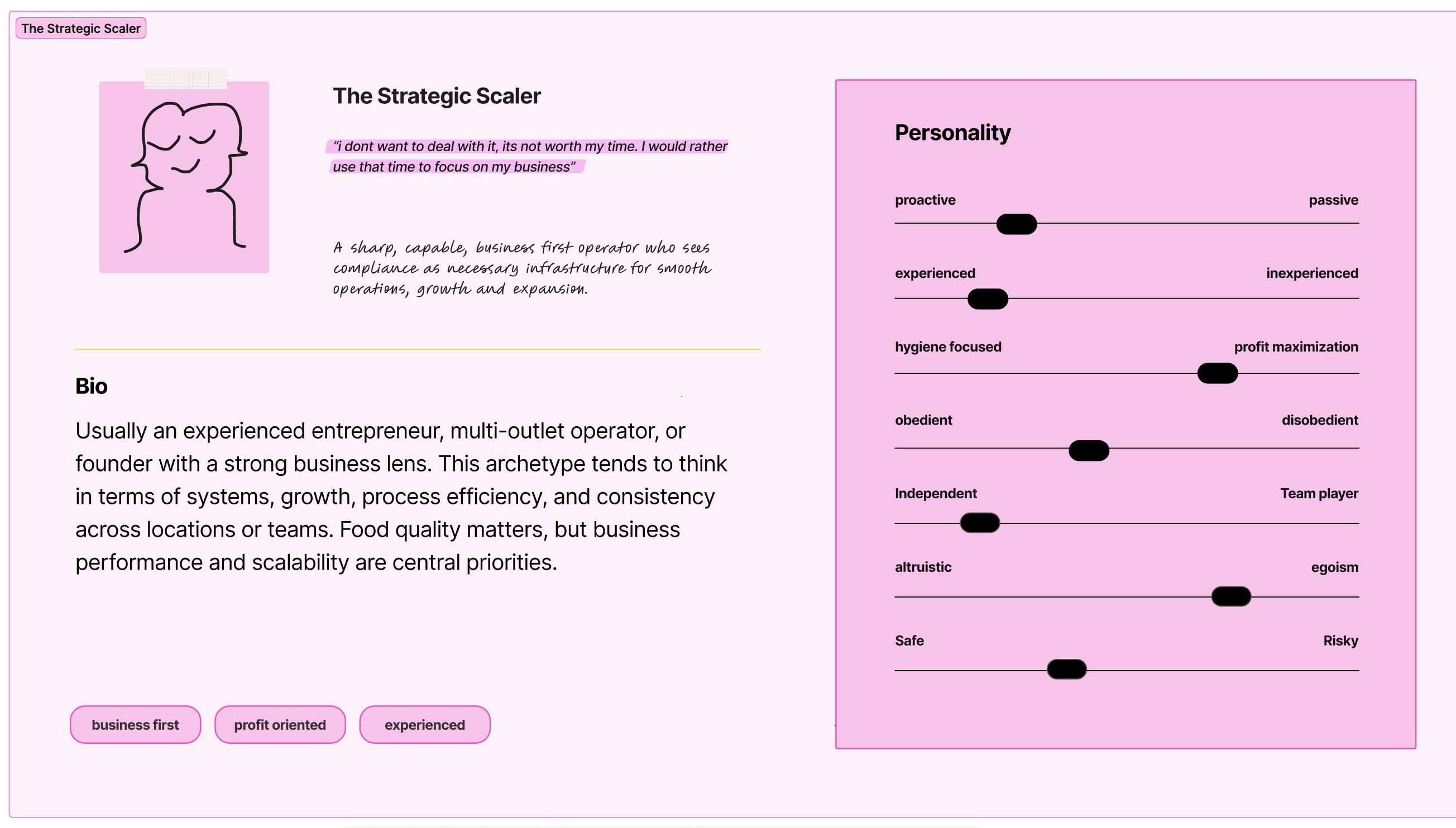
The Strategic Scaler - A sharp, capable, business first operator who sees compliance as necessary infrastructure for smooth operations, growth and expansion.
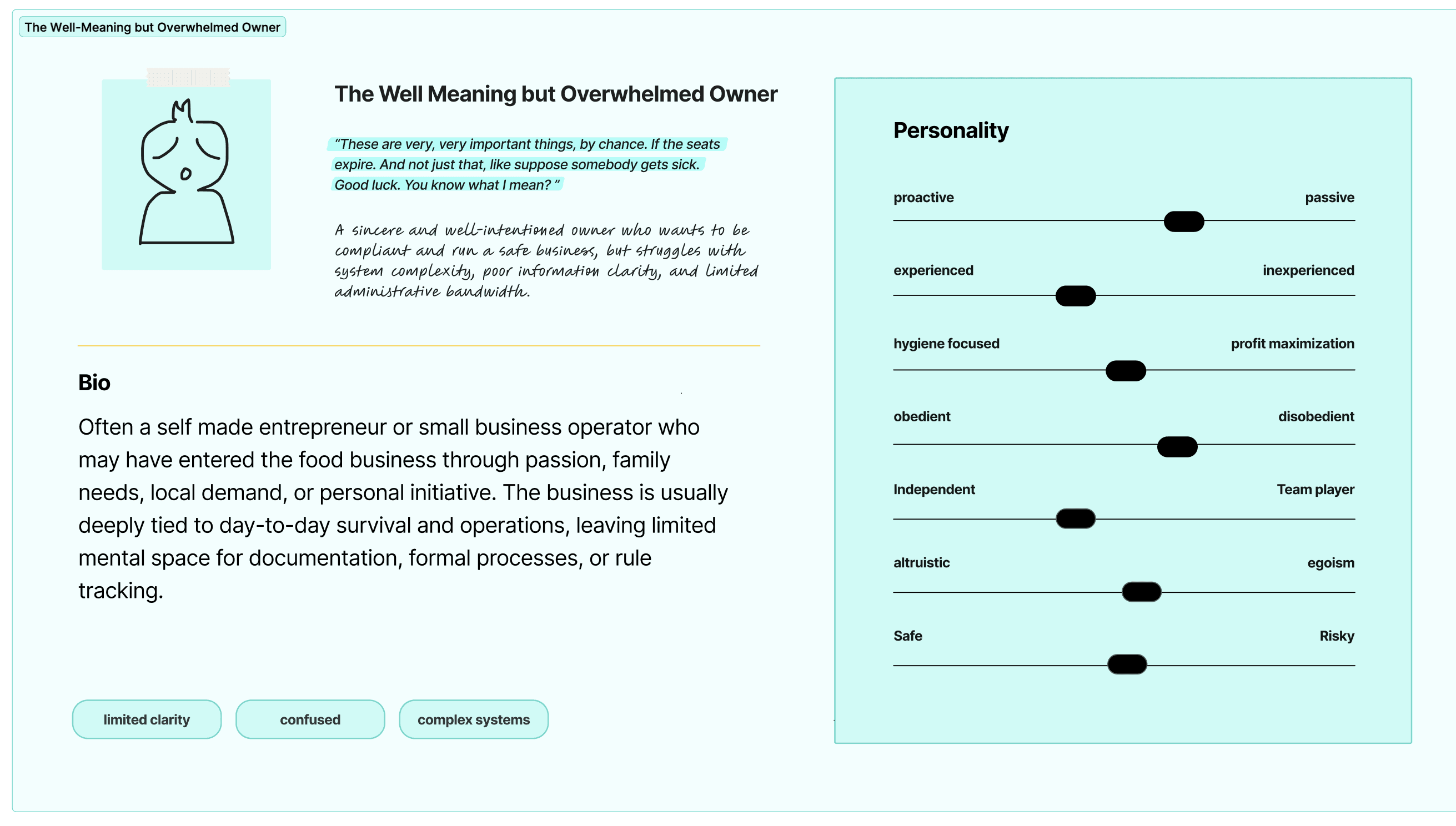
The Well Meaning but Overwhelmed Owner - A sincere and well intentioned owner who wants to be compliant and run a safe business but struggles with system complexity, poor information clarity and limited administrative bandwidth.
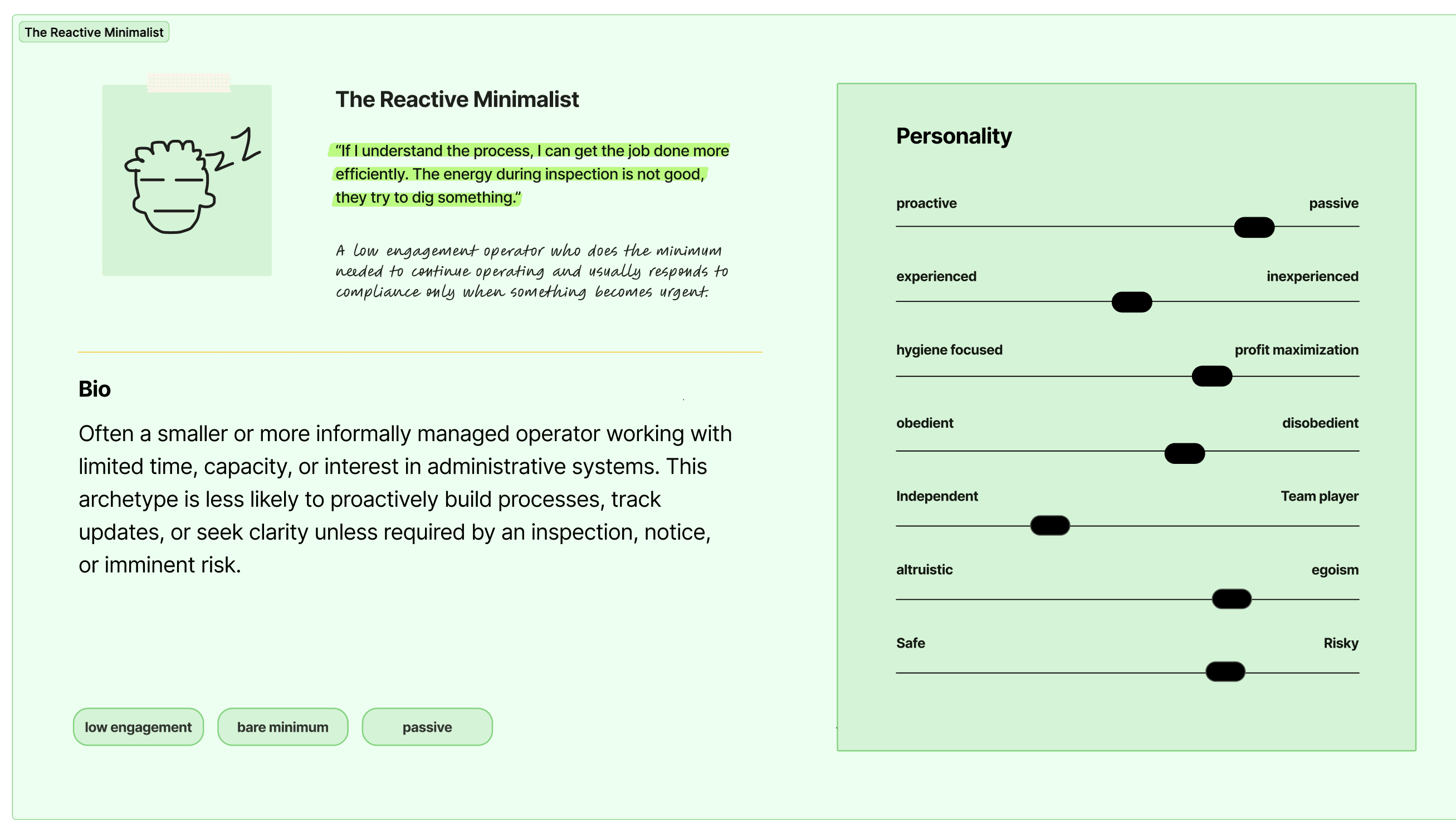
The Reactive Minimalist - A low engagement operator who does the minimum needed to continue operating and usually responds to compliance only when something becomes urgent.
What owners actually need,
and why they behave the way they do
internal systems
lack of information
no transparency
of report
no trust in inspectors
normalised bribery
why do they take support from agents
Work in progress
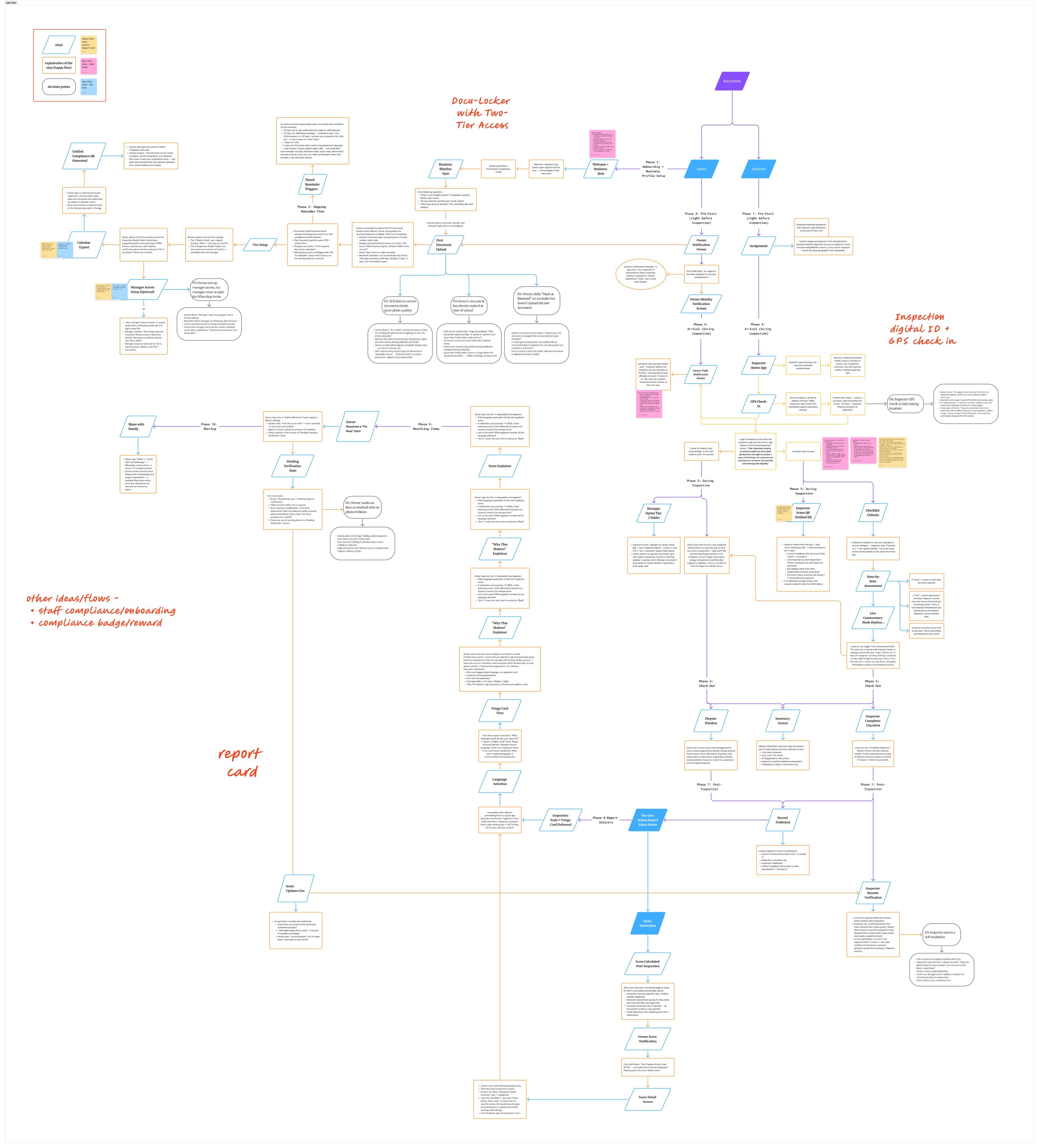
This project is currently in its final stages, with user flows completed and the information architecture, low fidelity screens, and product identity in progress. The focus now is on designing a cohesive end to end experience with thoughtful interactions and meaningful usability.
The graduation project will culminate in June, alongside the completion of the final product.
Thank you for taking the time to view my work.
Trade License
BBMP Trade License Department
Agents
Public and citizens
Inspection Management Systems
Inspection and compliance process
Supervisors
Legal Department
BBMP - Health, fire & safety,
solid waste departments
State Government
Citizens
Inspectors

Business Owners


PROJECT BRIEF
The objective is to build a single, scalable inspection and compliance platform that bridges the gap between businesses and inspectors
Municipal corporations in India are responsible for regulating and inspecting a wide range of businesses.m Today, inspection processes are largely fragmented, manual, and inconsistent across departments and cities. This results in high friction for business owners, operational inefficiencies for inspectors, and limited visibility for city leadership.
The Indian Food Services market, comprising restaurants, cafés, bars and street vendors, is currently valued at approximately ₹5.7 lakh crore (2024) and contributes around 1.9% to India’s GDP, with projections estimating the sector to reach ₹7.76 lakh crore by 2028.


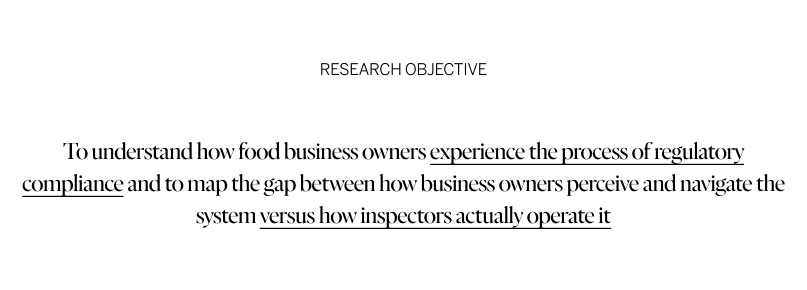
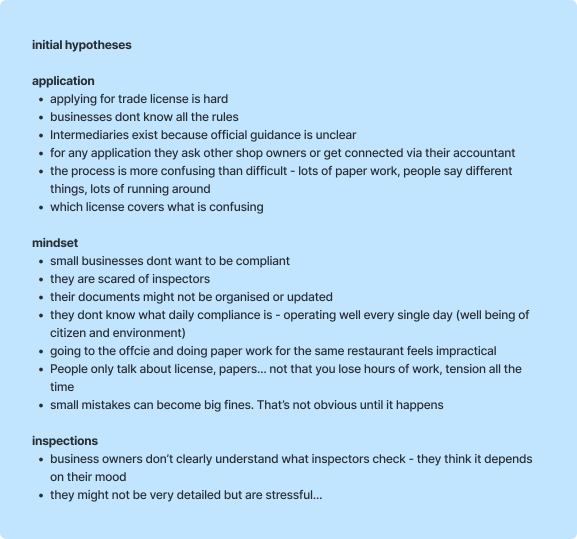
When i started, i assumed a lot of things. For example, i thought small businesses just don't bother following the rules. They're non-compliant because they don't care. Lets bust this myth
The hypothesis wasn't that businesses are non compliant. It's that the system makes compliance feel impossible and people have adapted to that feeling rather than solving for it.
INITIAL HYPOTHESIS
Owners actively seek knowledge to better their business but with no reliable official source, learning is fragmented
brief description
Businesses rarely know the detailed assessment made during inspection, as documentation/report is kept internally by officers.
Outcome clarity depends on the inspector, not on a standardized output format because of which verbal feedback is the default
insight
Some of the many insights i found:
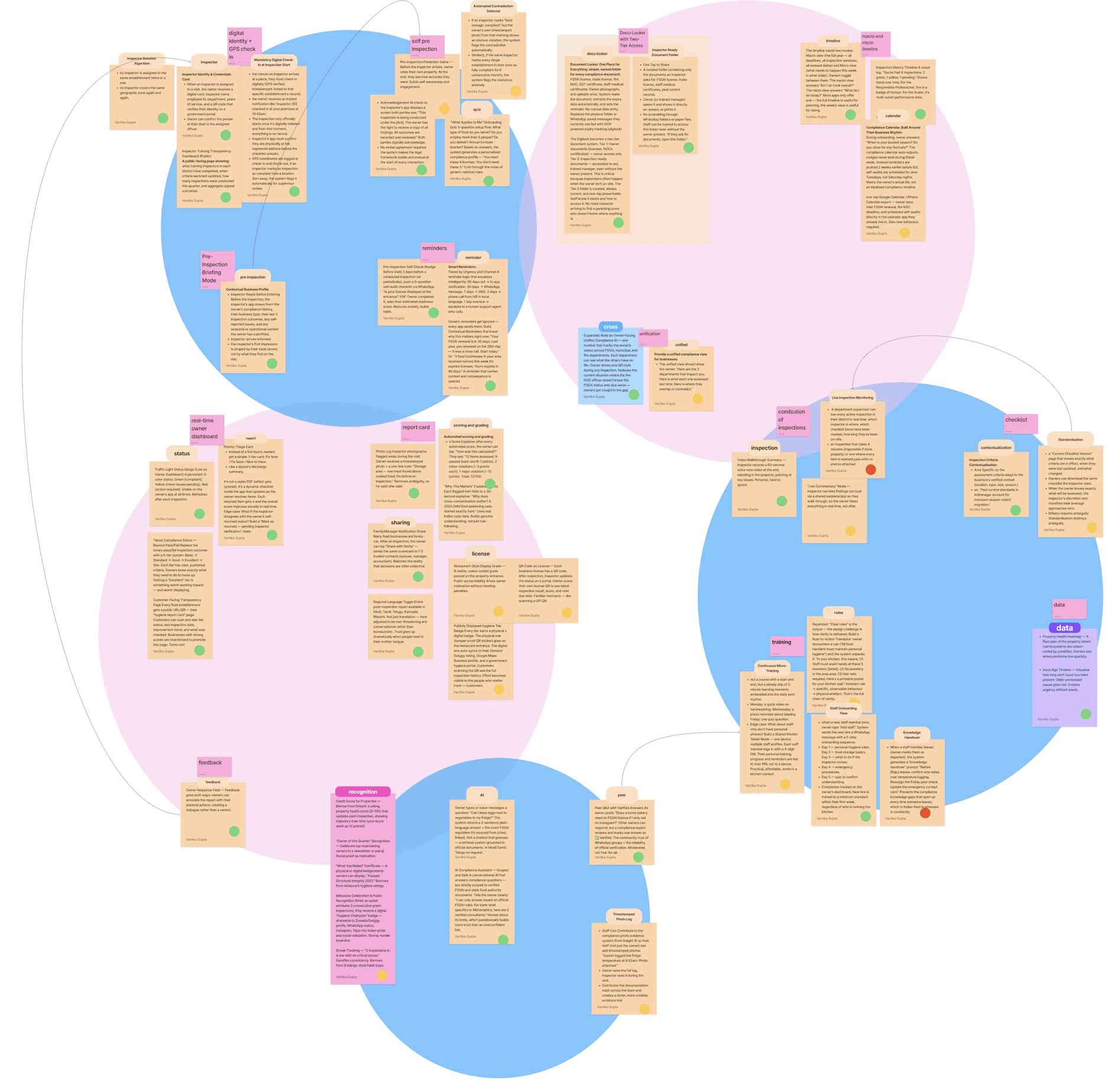
IDEATIONS FROM INSIGHTS
USER FLOW
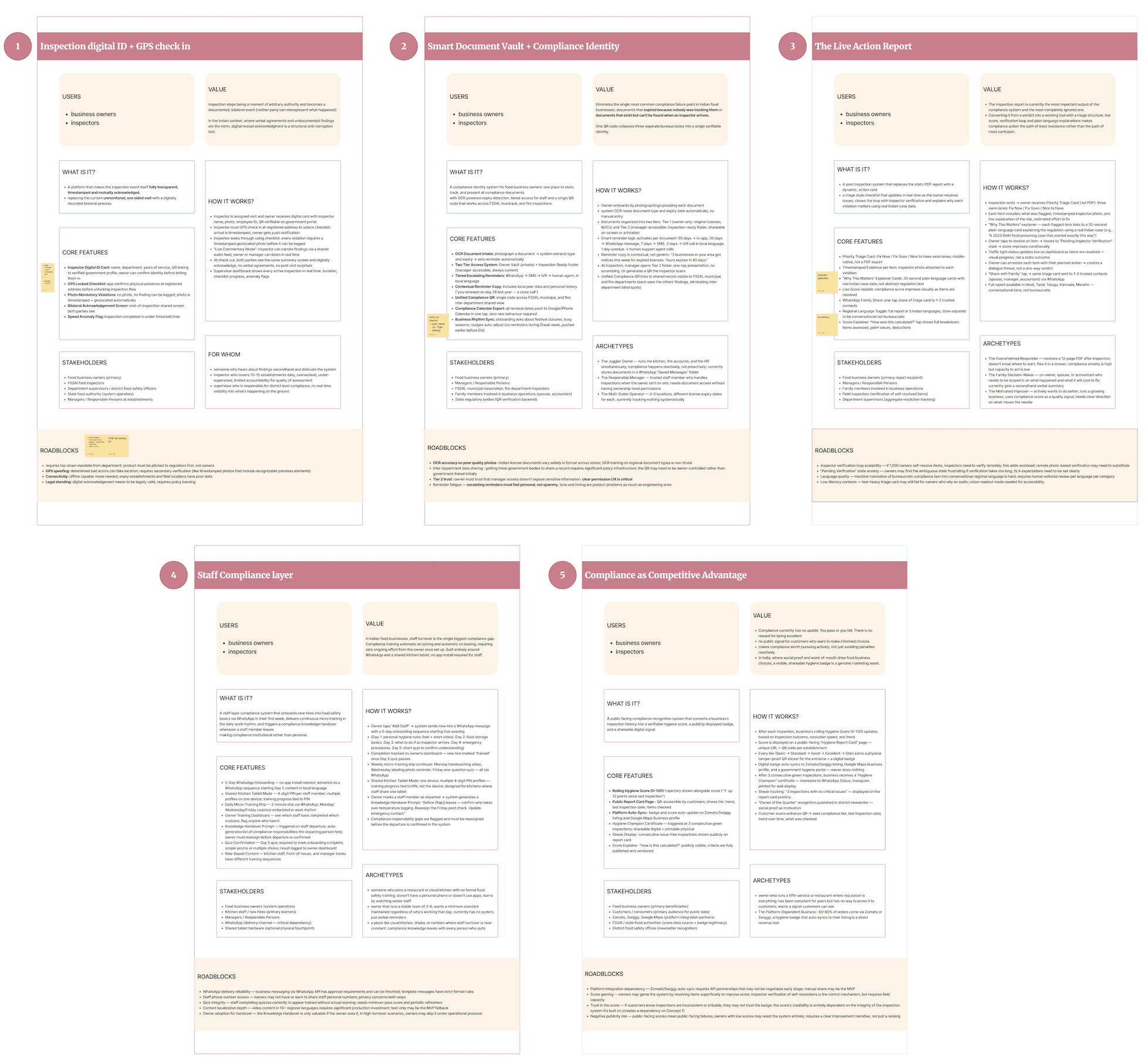
CONCEPT ONE PAGERS
“they keep an inspection book, but the report is never shared with us”
Business owners hesitate to handle compliance themselves because errors feel likely and they don't want to face the repercussions alone
Owners perception of the inspectors and the compliance process shapes their opinion about the fairness of the process
“dont try to do it yourself, without my HR’s help, the process would have been quite tedious”
“they will surely nitpick and i couldn't afford to pay them after a point”
brief description
if the process were simple and structured, owners would prefer not to use agents.
Time saving is the most repeated reason to outsource.
owners outsource to avoid making mistakes when they go through the process by themselves
brief description
Inspectors may amplify small issues, making minor exceptions seem more serious during the visit.
belief that inspectors may not have the technical knowledge to distinguish good quality food since training and skill levels vary widely across officers.
insight
insight
🏘️
💰
🧐
👮♂️
📊
📖